Natural Deodorant for Fragrance Lovers: Smell Good All Day
Love your signature scent? Learn how natural deodorants can deliver lasting fragrance without synthetic chemicals. Tips for maximising scent power and layering fragrances effectively.
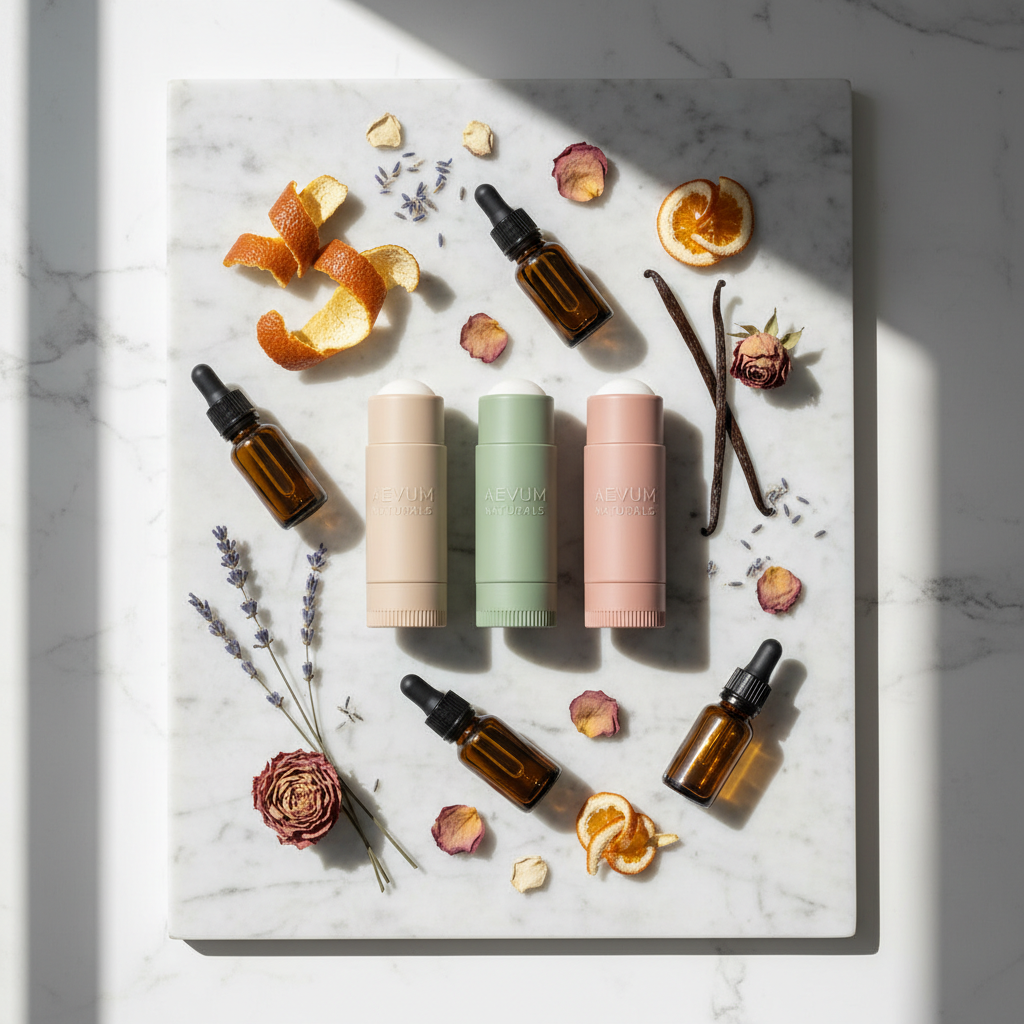
If fragrance is important to you, switching to natural deodorant might feel like a compromise. Conventional deodorants and antiperspirants often deliver powerful, long-lasting scents engineered in laboratories. Can plant-based alternatives really compete?
The answer is yes—but it requires understanding how natural fragrances work differently and how to get the most from them. This guide covers everything fragrance lovers need to know about natural deodorants: why they smell the way they do, how to maximise scent longevity, and techniques for building a fragrance profile that lasts all day.
How Natural Deodorant Fragrances Differ
The scent in conventional deodorants typically comes from synthetic fragrance compounds—laboratory-created molecules designed for intensity and longevity. A single “fragrance” listing on an ingredients label can represent dozens of synthetic chemicals.
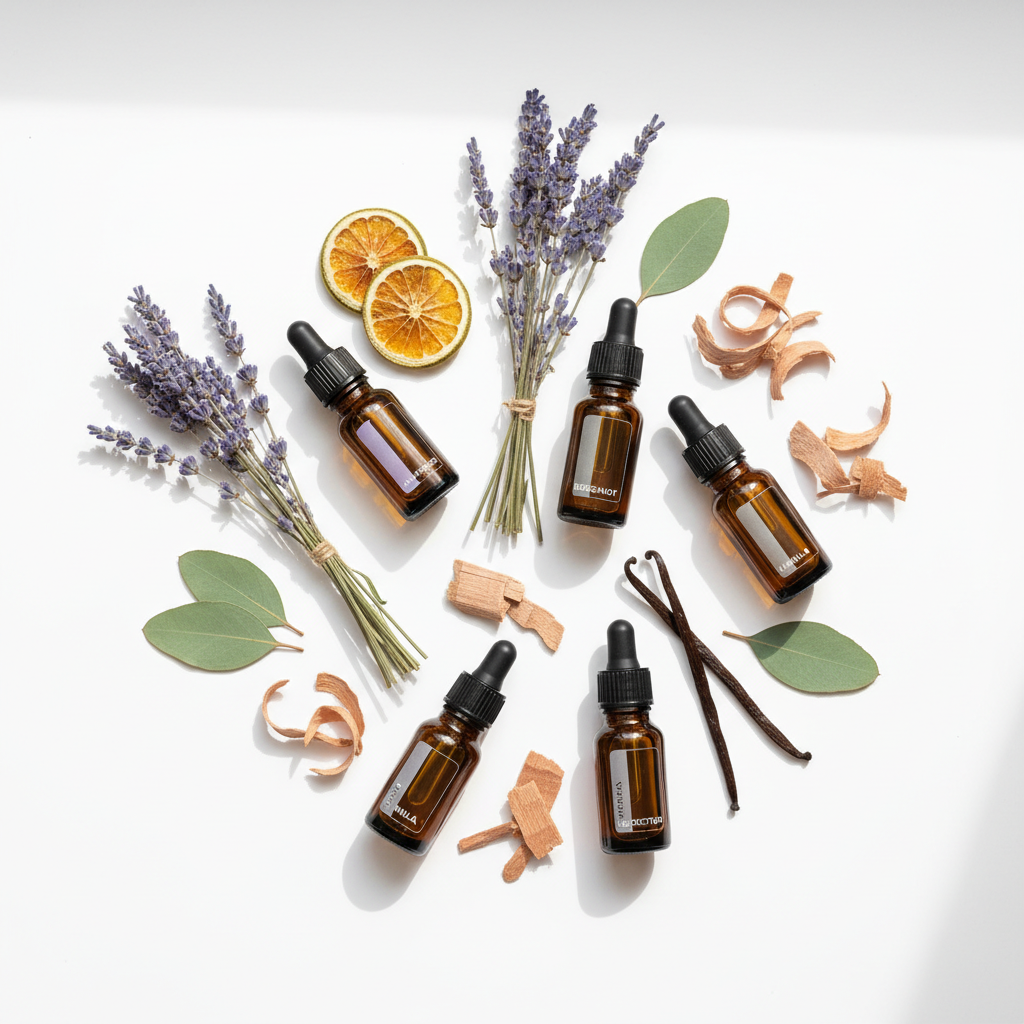
Natural deodorants take a different approach, deriving scent from:
- Essential oils — Concentrated plant extracts from flowers, leaves, bark, and roots
- Absolutes — Aromatic compounds extracted from delicate botanicals
- Natural isolates — Specific scent molecules extracted from natural sources
This distinction matters for fragrance lovers because natural and synthetic scents behave differently on skin.
The Scent Profile Difference
Synthetic fragrances are designed for consistency. They smell the same on everyone, maintain identical intensity throughout the day, and don’t interact much with body chemistry.
Natural fragrances are more dynamic. They:
- Interact with your skin’s pH and microbiome
- Evolve throughout the day as different notes emerge
- Create a scent that’s uniquely yours
- Often smell slightly different on different people
For some, this variability is a drawback. For true fragrance enthusiasts, it’s an advantage—natural deodorants create a more personal, complex scent experience.
Why Natural Scents May Seem Weaker (At First)
If you’ve tried natural deodorants and found the fragrance underwhelming, several factors might explain your experience.
Different Projection
Synthetic fragrances are engineered to project—to fill a room and announce your presence. Natural scents tend to stay closer to the body, creating a more intimate fragrance experience. You might not smell yourself as strongly, but others in close proximity will notice.
Nose Blindness
After years of strong synthetic fragrances, your nose may have adapted. Natural scents can seem subtle by comparison until your olfactory system recalibrates. Give it two to three weeks before judging scent strength.
Application Technique
Natural deodorants often require different application methods than conventional products. We’ll cover optimal techniques below.
Formula Quality
Not all natural deodorants prioritise fragrance. Some focus purely on odour protection with minimal scent. If fragrance matters to you, seek out brands that specifically emphasise their scent profiles and use high-quality essential oils.
Maximising Scent Longevity
Natural fragrances don’t have the same staying power as synthetics—that’s the trade-off for avoiding potentially irritating chemicals. However, several techniques can significantly extend how long your natural deodorant’s scent lasts.

Apply to Clean, Dry Skin
This is the single most important factor. Essential oils bind better to clean skin, and moisture interferes with absorption.
Best practice:
- Shower and thoroughly dry your underarms
- Wait 2-3 minutes for any residual moisture to evaporate
- Apply deodorant to completely dry skin
- Allow another minute before dressing
Use the Right Amount
With natural deodorants, coverage matters more than quantity. You want an even, complete layer—not a thick application.
For stick deodorants: 2-3 swipes per underarm, ensuring full coverage For cream deodorants: A pea-sized amount, spread evenly For roll-ons: 2-3 passes, allowing to dry between applications
Consider Your Clothing
Fabric affects how fragrance disperses. Natural fibres (cotton, linen, wool) allow scent to breathe and project. Synthetic fabrics can trap and distort fragrance molecules.
Reapply Strategically
Unlike antiperspirants that last all day, natural deodorants may benefit from midday touch-ups, especially if you’re active or in warm environments. Keep a travel size in your bag for refreshing both odour protection and fragrance.
The Art of Scent Layering
For fragrance enthusiasts, one of the most effective strategies is layering—building a cohesive scent profile across multiple products.
The Layering Principle
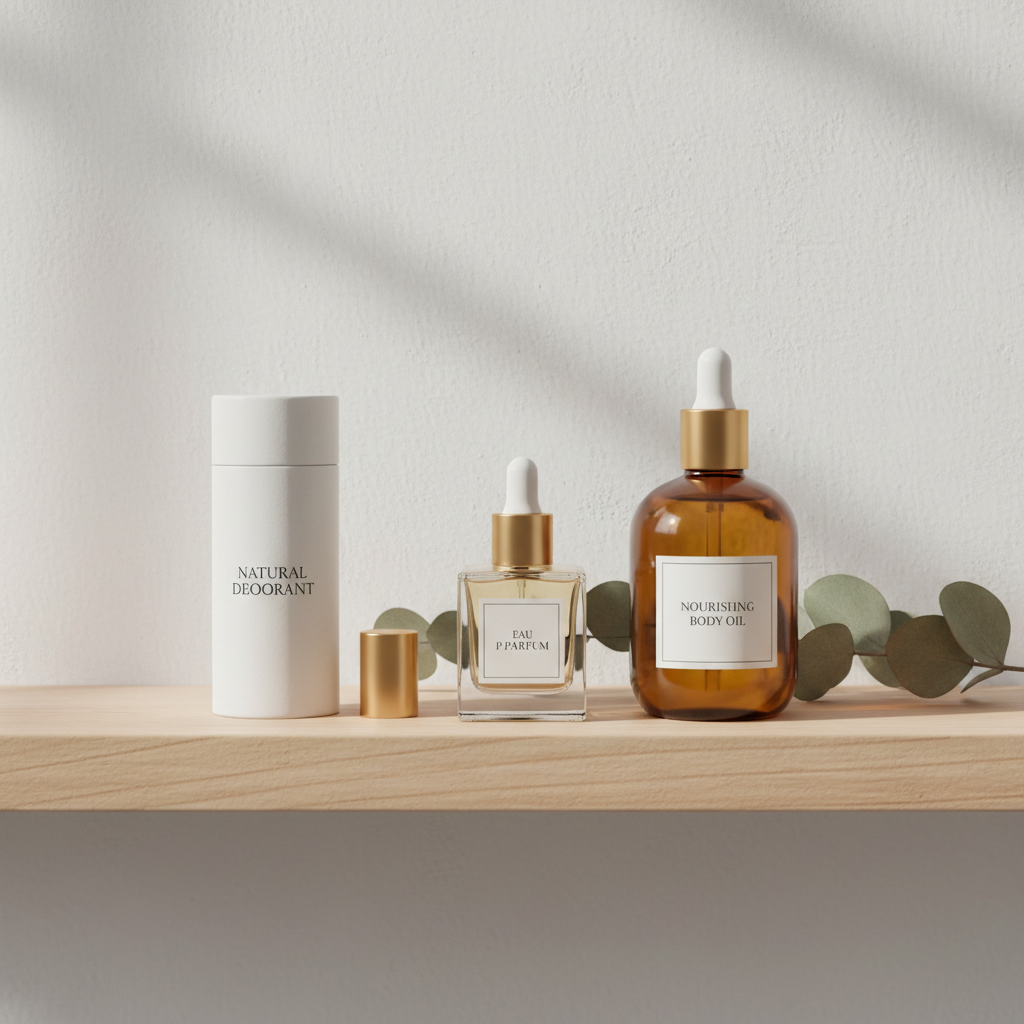
Scent layering involves using complementary fragrances across different products to create depth and longevity. When done well, each layer reinforces the others, creating a more complex and longer-lasting fragrance experience.
Building Your Layers
Base layer: Body wash or soap Start your fragrance profile in the shower. Choose a body wash with scent notes that complement your deodorant.
Middle layer: Natural deodorant Your deodorant becomes the anchor of your daily fragrance, sitting close to your body and releasing scent throughout the day.
Top layer: Perfume or body oil (optional) If you wear perfume, choose one that harmonises with your deodorant. Apply to pulse points—wrists, neck, behind ears—where body heat helps project the scent.
Complementary Scent Combinations
When layering, you can either match scents (using lavender across all products) or build complementary profiles. Some combinations that work well:
| Deodorant Scent | Pairs Well With |
|---|---|
| Lavender | Vanilla, bergamot, cedar |
| Citrus | Mint, eucalyptus, light florals |
| Rose | Sandalwood, geranium, patchouli |
| Cedar | Bergamot, vetiver, black pepper |
| Eucalyptus | Lemon, tea tree, spearmint |
What to Avoid
Conflicting fragrances create olfactory confusion. Avoid layering:
- Two strong, competing floral scents
- Heavy musks with bright citrus
- Multiple complex blends that each demand attention
When in doubt, pair a complex scent with something simple, or use unscented products for your base layers.
Choosing Scents That Last
Some essential oils naturally have more staying power than others. If longevity is your priority, consider these factors when selecting a natural deodorant.
Longer-Lasting Scent Families
Woodsy notes (sandalwood, cedar, vetiver) — These base notes are inherently long-lasting and develop beautifully over time.
Earthy notes (patchouli, vetiver) — Deep, grounding scents that persist throughout the day.
Resinous notes (frankincense, myrrh) — Rich, warm scents with excellent staying power.
Shorter-Lasting Scent Families
Citrus notes (lemon, orange, grapefruit) — Bright and energising but volatile; they fade faster than other families.
Light florals (lily of the valley, freesia) — Delicate and fresh but require reapplication.
Herbal notes (basil, mint) — Refreshing initially but tend to dissipate quickly.
The Best of Both Worlds
Many well-formulated natural deodorants combine scent families strategically—using citrus or herbal top notes for initial freshness with woodsy or earthy base notes for longevity. Look for ingredient lists that include both types.
Natural Deodorant vs Perfume: Understanding the Difference
Some fragrance lovers wonder whether their deodorant can replace perfume entirely. Here’s how to think about the relationship between these products.
What Each Does Best
Natural deodorant:
- Provides all-day odour protection
- Delivers subtle, personal fragrance
- Works close to the body
- Functions even when you’re active
Perfume:
- Projects fragrance to fill space
- Makes a statement or impression
- Offers complex scent development
- Creates signature scent recognition
The Practical Approach
Rather than choosing between deodorant and perfume, consider them complementary:
- Everyday situations: A well-scented natural deodorant provides sufficient fragrance for most daily activities
- Special occasions: Layer deodorant with perfume for fuller fragrance
- Active days: Let your deodorant do the work; perfume can become overwhelming when you’re sweating
- Professional settings: Subtle deodorant fragrance is often more appropriate than perfume
Transition Tips for Fragrance Lovers
If you’re switching from conventional to natural deodorant specifically because you want cleaner ingredients but don’t want to sacrifice scent, keep these points in mind.
The Adjustment Period
During the first 2-4 weeks of switching, your body is recalibrating. You may notice:
- Stronger natural body odour initially
- Your deodorant seeming less effective
- Fragrance not lasting as expected
This is temporary. Once your underarm microbiome stabilises, natural deodorants become more effective at both odour control and fragrance delivery.
Start with Strong Scents
During transition, choose natural deodorants with robust scent profiles. This isn’t the time for “lightly scented” or “subtle” options. Look for products that prominently feature fragrance as a selling point.
Be Patient with Your Nose
Your olfactory system needs time to adjust from synthetic to natural fragrances. What seems weak initially often registers as pleasantly present after a few weeks.
Finding Your Signature Natural Scent
Part of the joy of natural deodorants is discovering scents you might never have encountered in conventional products. Essential oil blends can be remarkably sophisticated.
Scents to Explore
If you liked fresh, clean conventional scents: Try citrus blends (bergamot, lemon, grapefruit) or eucalyptus-mint combinations
If you liked powdery, soft scents: Try lavender-vanilla or chamomile-based formulas
If you liked bold, statement scents: Try patchouli, sandalwood, or complex woodsy blends
If you liked sweet, warm scents: Try vanilla, tonka, or amber-based natural deodorants
Sampling Strategy
Don’t commit to full-size products until you’ve found your match. Many natural deodorant brands offer:
- Sample sizes or discovery sets
- Travel-size options
- Variety packs with multiple scents
Take advantage of these to test how different scents wear on your body throughout a full day.
The Bottom Line
Natural deodorants can absolutely satisfy fragrance lovers—they just work differently than conventional products. The scents are more personal, more dynamic, and more connected to the natural world.
Key takeaways for fragrance enthusiasts:
- Apply properly — Clean, dry skin is essential for scent longevity
- Layer strategically — Build complementary scents across products
- Choose lasting notes — Woodsy and earthy scents outlast citrus and light florals
- Be patient — Your nose needs time to adjust to natural fragrances
- Experiment — Sample different scents to find your signature
The trade-off for avoiding synthetic fragrance chemicals is a scent experience that’s more subtle, more personal, and more interesting. For true fragrance lovers, that’s not a compromise—it’s an upgrade.
Ready to find a natural deodorant with serious scent credentials? Check out our product reviews for detailed fragrance breakdowns, or explore our guide to scent families to identify which fragrances might suit you best.