How to Clean Your Reusable Deodorant Case
Keep your refillable deodorant case hygienic and working smoothly with this simple cleaning guide. Includes step-by-step instructions, troubleshooting tips, and maintenance advice.
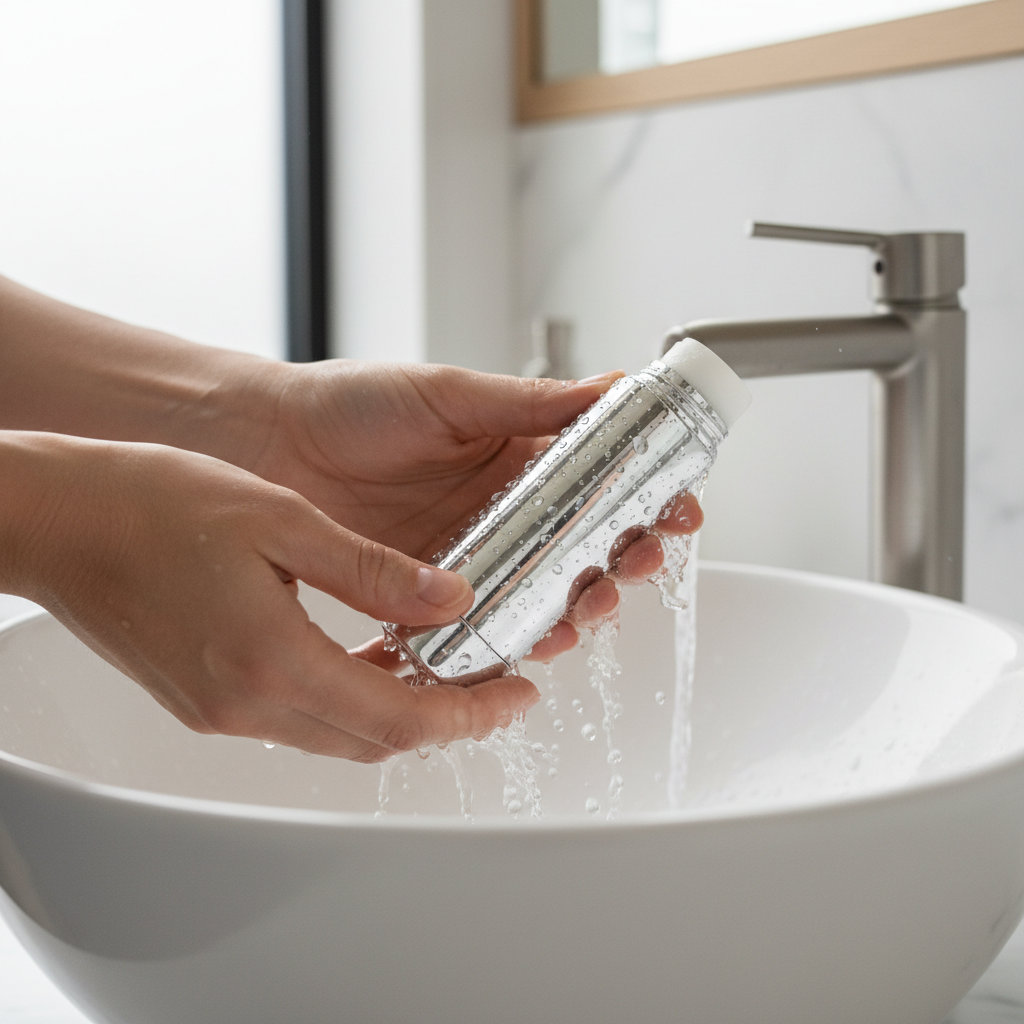
Refillable deodorant cases are brilliant for reducing waste, but they need occasional cleaning to stay hygienic and function properly. Residue builds up over time, mechanisms can stick, and—let’s be honest—nobody wants to apply deodorant from a grimy case.
The good news: cleaning takes less than ten minutes and requires nothing fancy. Here’s how to do it properly.
Why Bother Cleaning?
Before we get into the how, here’s why regular cleaning matters:
Hygiene. Bacteria thrive in warm, moist environments. Your bathroom qualifies. Old deodorant residue can harbour bacteria that then transfer to your skin with each application.
Smoother application. Built-up residue creates friction. A clean case lets the deodorant glide on properly instead of dragging or skipping.
Better product performance. When residue coats the inside of your case, fresh deodorant can’t make full contact with your skin. You end up using more product than necessary.
Longer case life. Twist mechanisms and push-up systems work better when they’re not gunked up with old product. Regular cleaning prevents wear on moving parts.
What You’ll Need
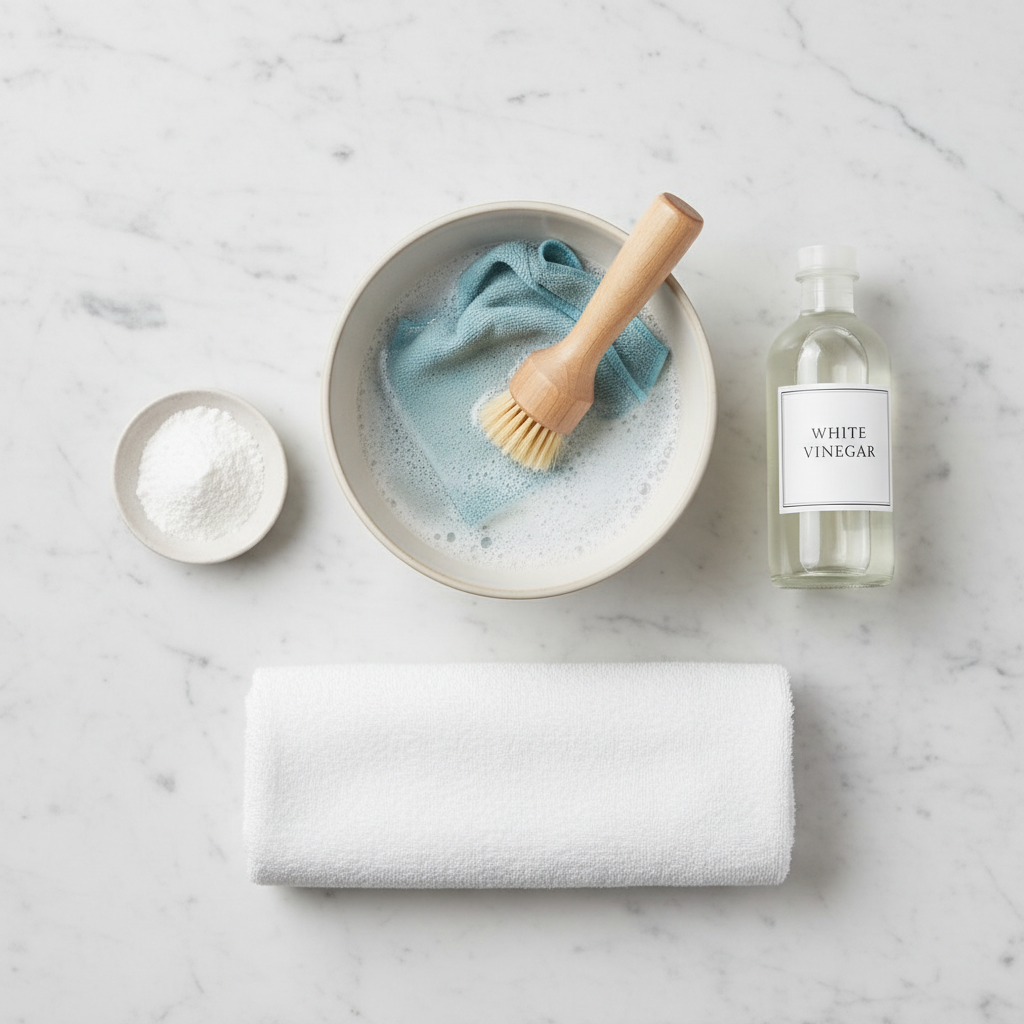
Gather these items before you start:
Essential:
- Warm water
- Mild soap (dish soap works fine)
- Soft cloth or sponge
- Old toothbrush or small cleaning brush
- Clean towel
For stubborn residue:
- White vinegar
- Baking soda
For sanitising:
- Isopropyl alcohol (70%)
- Cotton pads
That’s it. No specialised products required.
Step-by-Step Cleaning Guide
Step 1: Remove the Refill
Take out any remaining deodorant refill. If it’s nearly empty, you might as well finish it before cleaning. If there’s significant product left, set it aside on a clean surface.
Step 2: Disassemble (If Possible)
Some cases have removable parts—twist mechanisms, base plates, or inner platforms. If yours comes apart, separate the pieces. This allows you to clean each component thoroughly.
Not sure if it disassembles? Check the brand’s website or gently try twisting/pulling the base. Don’t force anything.
Step 3: Rinse with Warm Water
Hold the case under warm running water to remove loose residue. Avoid very hot water, which can warp plastic components.
Step 4: Soak
Fill a bowl with warm water and add a few drops of mild soap. Submerge all case components and let them soak for 15-20 minutes.
For heavy buildup: Extend soaking to an hour, or even overnight for particularly stubborn cases.
Step 5: Scrub
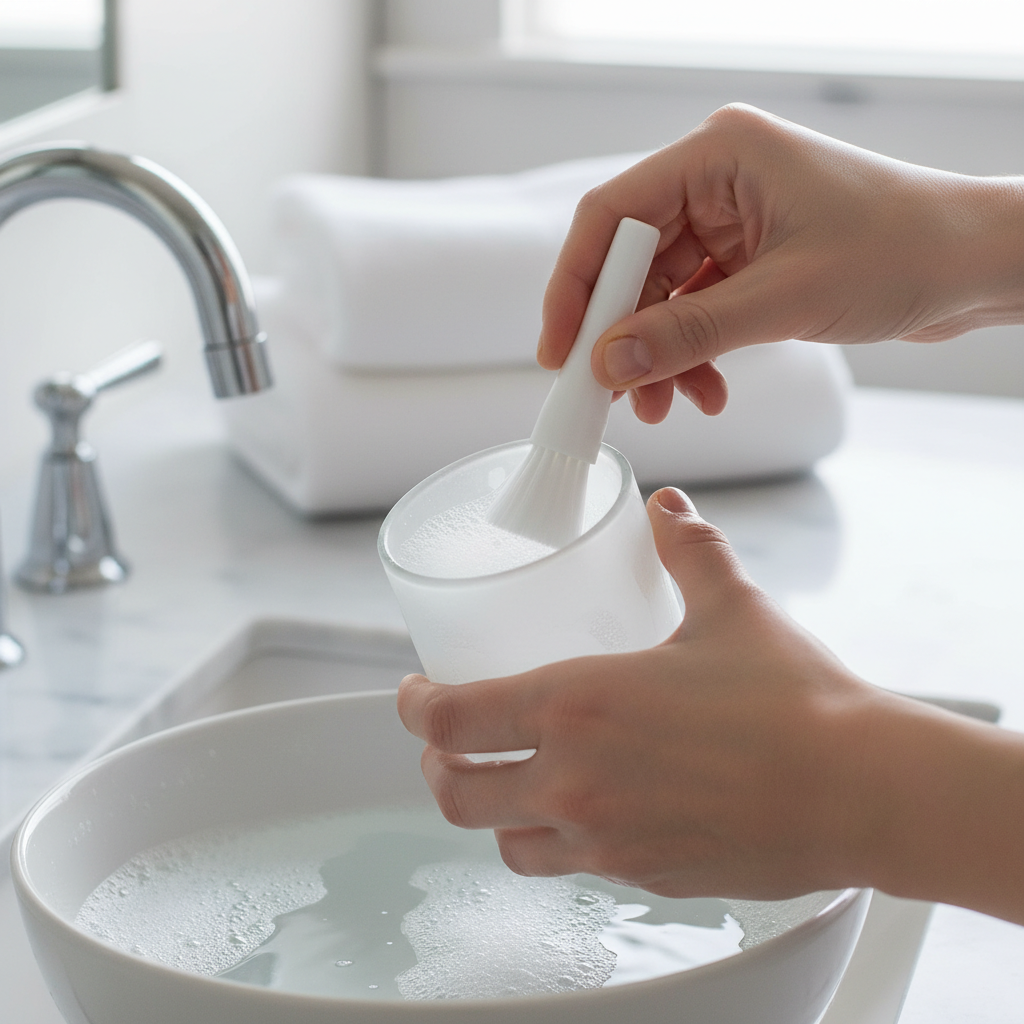
Using your toothbrush or small brush, scrub the interior of the case in circular motions. Pay attention to:
- The bottom where residue accumulates
- Grooves and ridges in the twist mechanism
- The rim where the refill sits
- Any textured surfaces
The goal is to remove all visible residue. Take your time—rushing leads to missed spots.
Step 6: Tackle Stubborn Residue
If regular scrubbing doesn’t shift everything, try these methods:
Baking soda paste: Mix baking soda with a few drops of water to form a paste. Apply to stubborn areas, let sit for 5 minutes, then scrub.
Vinegar soak: For mineral deposits or persistent odours, soak the case in a solution of equal parts white vinegar and warm water for 30 minutes. Rinse thoroughly afterwards.
Step 7: Rinse Thoroughly
Hold all components under running water until no soap residue remains. Soap left behind can irritate skin or affect deodorant performance.
Step 8: Sanitise (Optional but Recommended)
For extra hygiene, wipe all surfaces with a cotton pad dampened with 70% isopropyl alcohol. This kills bacteria that survived the wash.
Alcohol evaporates quickly and leaves no residue—just let it air dry for a minute before proceeding.
Step 9: Dry Completely
This step is crucial. Moisture trapped in the case can lead to mould growth or cause the next refill to deteriorate.
- Shake out excess water
- Wipe with a clean, dry towel
- Leave all components in a well-ventilated area to air dry completely (several hours minimum)
- Only reassemble once everything is bone dry
How Often Should You Clean?
Quick clean (rinse and wipe): Every time you insert a new refill.
Deep clean (full soak and scrub): Monthly, or whenever you notice residue buildup or the mechanism becoming stiff.
Sanitise: Monthly, or more frequently if you’ve been ill or share the case with anyone (though sharing deodorant isn’t recommended).
Troubleshooting Common Problems
The Twist Mechanism Is Stuck
Cause: Deodorant has hardened around the threading.
Fix: Soak the case in warm (not hot) water for 30 minutes to soften the residue. Gently work the mechanism back and forth while submerged. Once it moves freely, complete the full cleaning process.
Lingering Odour
Cause: Old product has absorbed into the case material, or bacteria are present.
Fix: Soak overnight in a vinegar solution (1:1 vinegar to water). Follow with the baking soda scrub method. Rinse thoroughly and sanitise with alcohol.
White Residue Won’t Budge
Cause: Mineral deposits from hard water, or dried baking soda from a previous formula.
Fix: Soak in undiluted white vinegar for an hour. The acid dissolves mineral buildup. Scrub and rinse thoroughly.
The Case Is Cracked or Damaged
Unfortunately: Cracks can harbour bacteria and may cause sharp edges. If your case is cracked, it’s time to replace it—or consider upcycling it into something else.
Deodorant Won’t Advance Properly
Cause: The push-up or twist mechanism is obstructed.
Fix: Disassemble completely and clean each component individually. Use a toothpick to clear any residue from small grooves or holes. Ensure everything is completely dry before reassembling.
Maintenance Tips
Keep your case in good condition between deep cleans:
Store properly. Keep your deodorant in a cool, dry place. Bathroom cabinets are fine; steamy shower caddies are not ideal.
Wipe the rim. After each use, quickly wipe the top rim where product can accumulate.
Don’t force it. If the mechanism feels stiff, clean it rather than forcing it. Aggressive twisting wears out the threading.
Replace when needed. Even well-maintained cases eventually wear out. If cleaning no longer restores smooth function, it’s time for a new case.
A Note on Different Case Materials
Aluminium cases (like Wild): Durable and easy to clean. Can handle most cleaning methods. Avoid leaving in acidic solutions (vinegar) for extended periods.
Plastic cases: More prone to staining and odour absorption. May warp in very hot water. Generally easier to disassemble.
Bamboo or wood cases: Require gentler treatment. Avoid prolonged soaking. Wipe clean rather than submerging. Let dry thoroughly to prevent warping.
The Bigger Picture
Cleaning your deodorant case is a small task, but it’s part of making reusable products actually work long-term. The whole point of refillable systems is reducing waste—and that only happens if you maintain the case well enough to keep using it.
A few minutes of cleaning each month means your case lasts years instead of months. That’s less plastic produced, less waste generated, and more money saved on replacements.
Your case does its job every day. Return the favour occasionally.
Want to get more life out of your case before cleaning? Learn about what makes deodorant eco-friendly and explore our refillable deodorant guide to understand the full picture.