Zero-Waste Bathroom Swaps: Starting with Deodorant
A practical guide to reducing plastic waste in your bathroom, beginning with the easiest swap - your deodorant - and expanding to other sustainable alternatives.
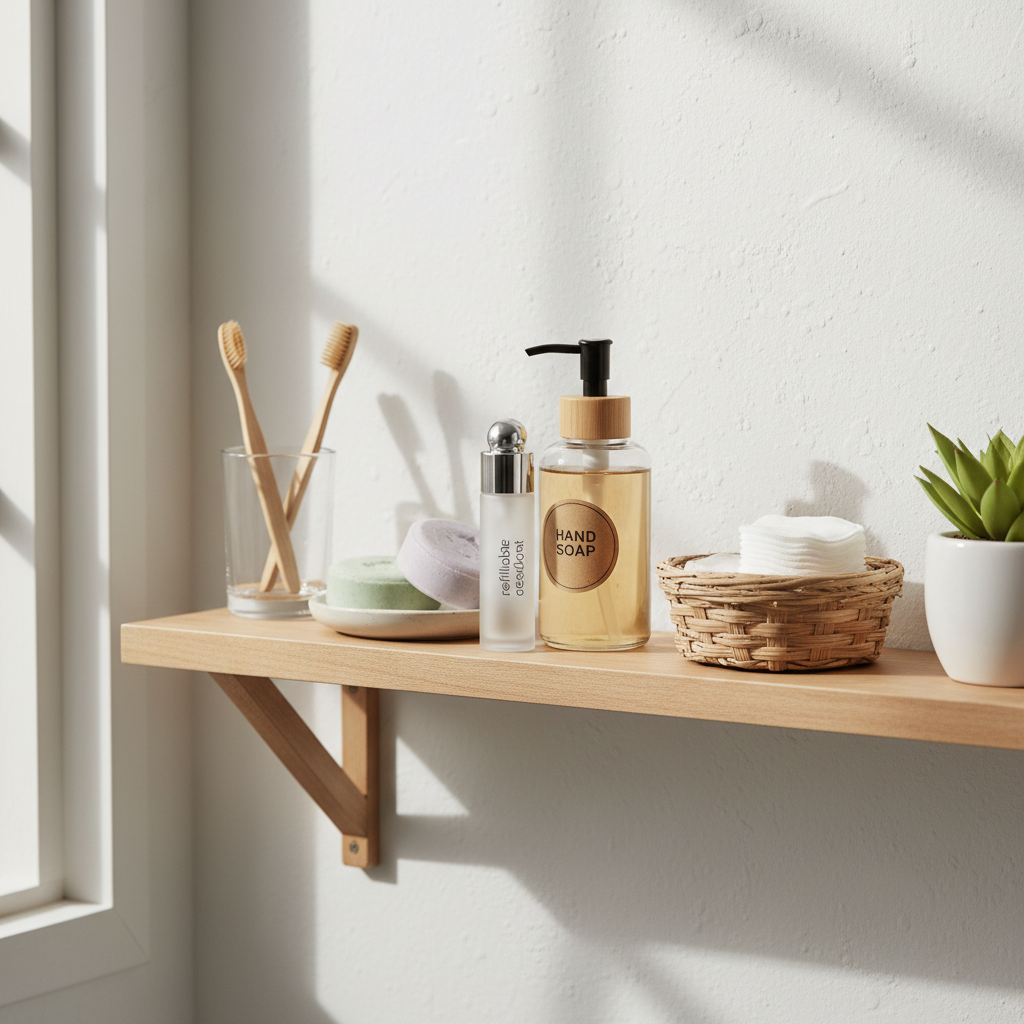
Take a look around your bathroom. How much plastic do you see? Shampoo bottles, body wash, face cleanser, toothpaste tubes, razors, deodorant sticks—it adds up quickly. The average bathroom contains dozens of single-use plastic items, most of which end up in landfill after a few weeks or months of use.
The beauty and personal care industry generates over 120 billion units of packaging globally each year. Much of this takes centuries to decompose, and only a fraction is actually recycled.
The good news? Your bathroom is one of the easiest places to start making sustainable swaps. Small changes compound into significant impact, and once you begin, you’ll likely discover that eco-friendly alternatives often work just as well—sometimes better—than their plastic-wrapped predecessors.
This guide walks you through practical zero-waste bathroom swaps, starting with one of the simplest: your deodorant.
Why Start with Deodorant?
Of all the plastic in your bathroom, deodorant might seem like an odd place to begin. But there are good reasons it’s the perfect starting point.
The Problem with Conventional Deodorant Packaging
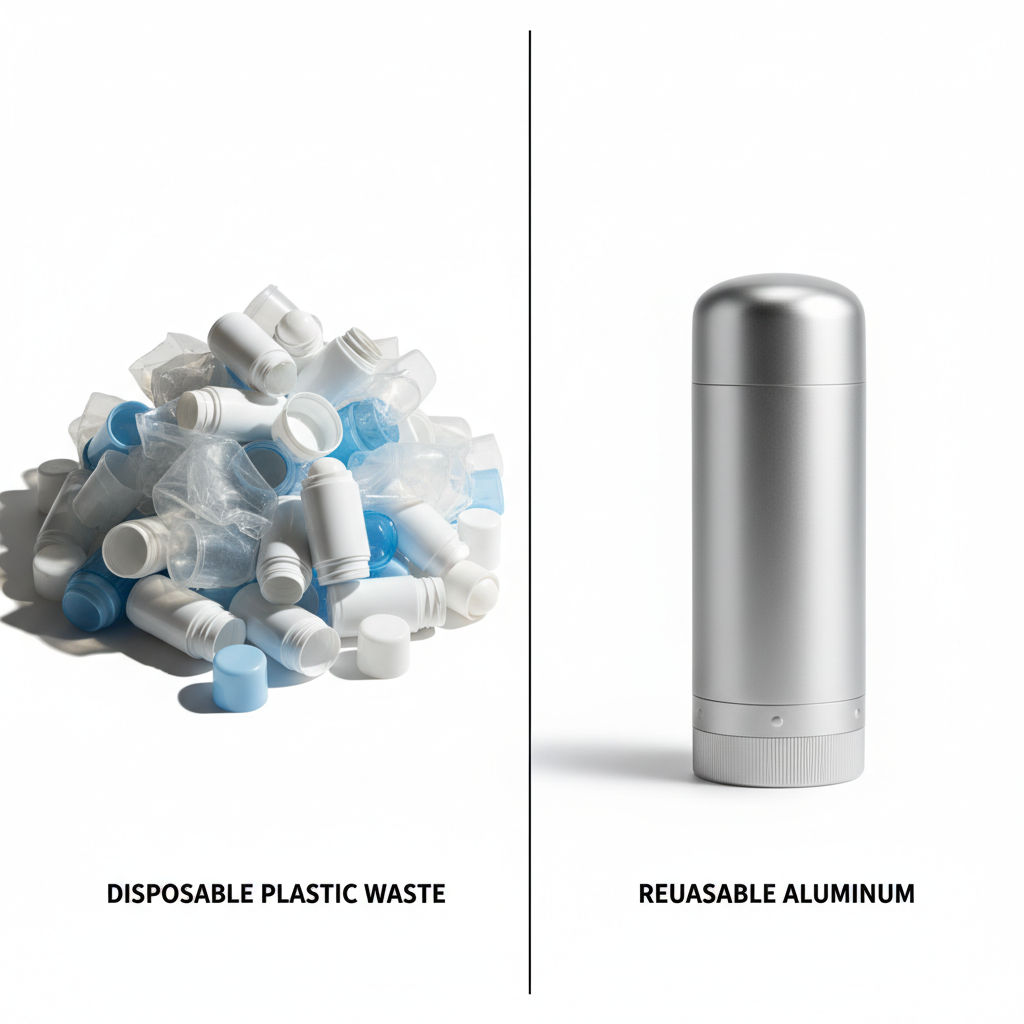
A typical person uses approximately 12 deodorant sticks per year. Over a lifetime, that’s around 102 plastic containers per person—none of which are recyclable through standard municipal systems.
Conventional deodorant packaging combines multiple plastics, metal springs, and product residue, making it impossible for recycling facilities to process economically. The result? Nearly all of it ends up in landfill, where it will persist for 450+ years.
Why Deodorant Is an Easy First Swap
Low risk: Unlike some products where performance is critical (like sunscreen), trying a new deodorant carries minimal risk. Worst case, you smell a bit different for a day or two.
Excellent alternatives exist: The refillable and plastic-free deodorant market has matured significantly. Today’s options are genuinely effective.
Immediate impact: You’ll notice the difference instantly—no plastic container in your bin.
Builds momentum: Success with one swap motivates further changes.
Zero-Waste Deodorant Options
Several approaches can eliminate or dramatically reduce deodorant packaging waste.
Refillable Deodorants
The most popular zero-waste option. You purchase a durable case once, then buy refills packaged in minimal, often compostable materials.
How they work:
- Reusable aluminium or recycled plastic case
- Refills in compostable bamboo pulp or recycled cardboard
- Case lasts for years; refills replaced every 6-8 weeks
Top brands:
- Wild — Aluminium cases, compostable refills, wide scent range
- Fussy — Ocean plastic cases, compostable refills
- by Humankind — Sleek design, plastic-free refills
Waste reduction: Up to 90% less plastic than conventional options
Cardboard Tube Deodorants
Push-up deodorant sticks in fully compostable cardboard tubes.
Pros:
- Completely plastic-free
- Fully compostable packaging
- Often use natural formulations
Cons:
- Can become soft in humid bathrooms
- Tube may wear before product is finished
Brands to try: Native (plastic-free line), Kutis, Soap Daze
Cream/Paste Deodorants in Glass Jars
Apply with fingertips from a reusable glass container.
Pros:
- Glass is infinitely recyclable
- Often concentrated formulas that last longer
- Jars can be repurposed
Cons:
- Requires touching product with fingers
- Application takes slightly longer
Brands to try: Little Seed Farm, Awake Organics, Primal Pit Paste
Solid Deodorant Bars
Naked bars with no packaging at all.
Pros:
- Zero packaging waste
- Travel-friendly
- Often long-lasting
Cons:
- Requires somewhere to store between uses
- May feel unfamiliar at first
Brands to try: Ethique, Lush
Making the Switch: What to Expect
Transitioning to zero-waste deodorant is straightforward, but here’s what you should know.
The Adjustment Period
If you’re switching from conventional antiperspirant to natural deodorant (which most zero-waste options are), your body needs time to adjust.
Week 1-2: Your sweat glands, previously blocked by aluminium, “wake up.” You may sweat and smell more than usual.
Week 2-3: Sweating normalises as your body recalibrates.
Week 3-4: Most people find their natural deodorant working effectively.
This adjustment isn’t about the zero-waste format—it’s about switching from antiperspirant to deodorant. Persist through it; things improve.
Finding Your Formula
Not every product works for every body. Be prepared to try 2-3 options before finding your perfect match. Factors to consider:
- Skin sensitivity: If you react to baking soda, look for baking soda-free formulas
- Scent preferences: Most offer multiple fragrance options or unscented versions
- Climate: Humid environments may affect some packaging types
Cost Considerations
Zero-waste deodorants often cost more upfront but prove comparable over time. Starter kits include a reusable case you’ll keep for years, while refills cost significantly less than buying a new conventional deodorant each time. Annual costs typically match premium conventional brands—check current prices on brand websites for the latest offers.
Beyond Deodorant: More Bathroom Swaps
Once you’ve successfully switched your deodorant, you’ll likely want to tackle more bathroom plastic. Here are the next easiest swaps.
Oral Care
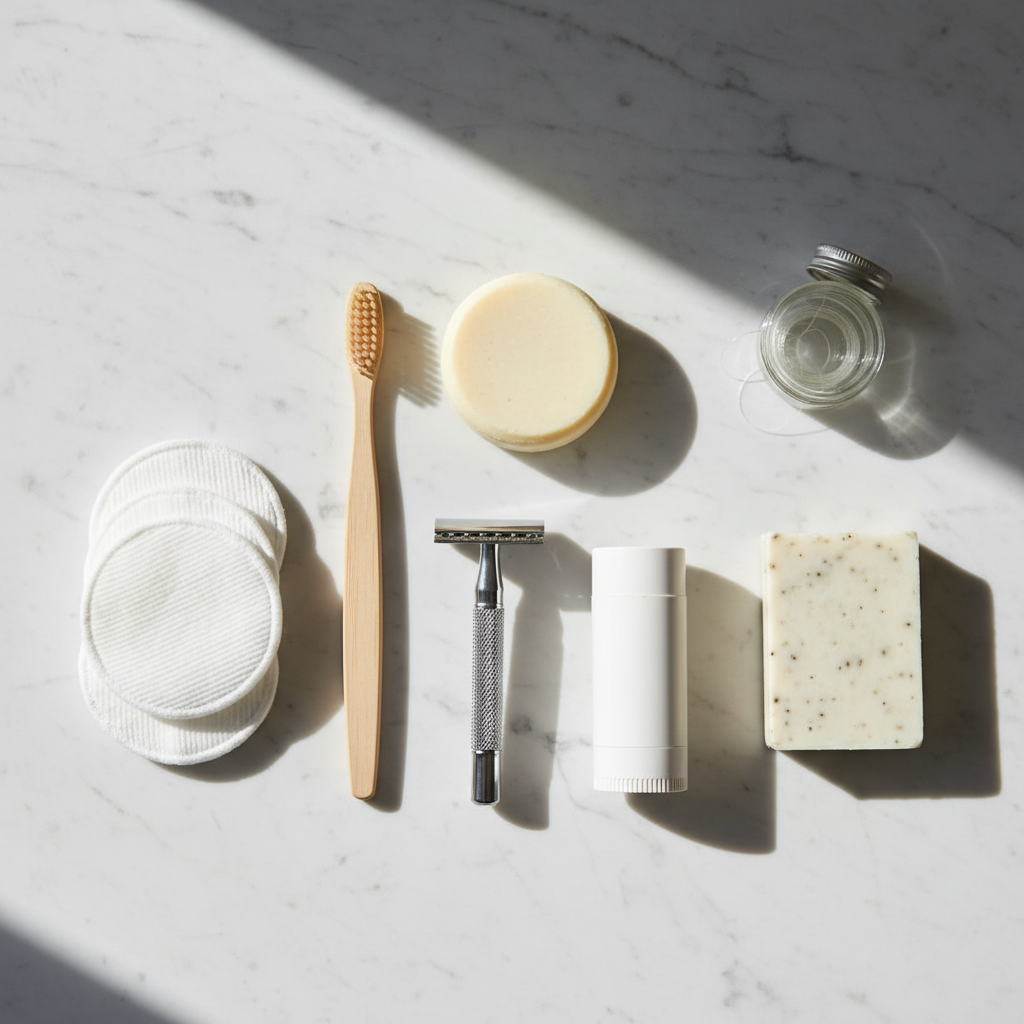
Bamboo toothbrushes 3.6 billion plastic toothbrushes are discarded globally each year. Bamboo alternatives work identically but are biodegradable.
Toothpaste tablets Chewable tablets in glass jars or compostable packaging replace plastic tubes. They foam like regular toothpaste and come in various flavours.
Silk dental floss Compostable silk floss in refillable glass containers replaces plastic floss in disposable containers.
Hair Care
Shampoo and conditioner bars Solid bars eliminate plastic bottles entirely. One bar typically equals 2-3 bottles of liquid product. Look for SLS-free options.
Refillable liquid products Some brands offer refill stations or bulk refills for those who prefer liquid products.
Skincare
Solid cleansing bars Face wash in bar form works just as well as liquids without the plastic bottle.
Reusable cotton rounds Washable fabric rounds replace single-use cotton pads. Simply wash with your regular laundry.
Products in glass or metal When you need liquids (serums, moisturisers), choose glass or metal packaging that’s infinitely recyclable.
Shaving
Safety razors Metal razors with replaceable blades produce far less waste than disposable razors or cartridge systems. Initial investment pays off quickly.
Shaving soap bars Replace aerosol cans with soap bars that lather beautifully and last for months.
Common Challenges and Solutions
”I can’t find zero-waste options locally”
Most zero-waste personal care products are available online. Many offer subscription services that ensure you never run out. Look for brands with minimal shipping packaging too.
”They’re too expensive”
While some options have higher upfront costs, most are cost-competitive over time. Focus on one swap at a time rather than replacing everything at once. Budget-friendly options exist—shop around.
”I’m not sure they’ll work for me”
Start with products that have good return policies or offer sample sizes. Many brands now sell travel or trial sizes so you can test before committing.
”My family won’t use them”
Lead by example. Once family members see you using products successfully, they often become curious. Don’t force changes—let interest develop naturally.
”It seems overwhelming”
Remember: one swap at a time. Finish your current products, then replace them with sustainable alternatives as they run out. There’s no deadline; any progress is meaningful.
The Impact of Individual Action
You might wonder whether your bathroom choices really matter in the face of global environmental challenges. Here’s the perspective.
Direct Impact
If one person switches to refillable deodorant for life, they prevent approximately 100 plastic containers from reaching landfill. Multiply that across millions of people making similar choices, and the numbers become substantial.
Market Influence
Consumer choices drive industry behaviour. Every sustainable purchase signals demand for better options. This is why so many major brands now offer eco-friendly alternatives—consumers asked for them.
Ripple Effects
Your choices influence others. Friends notice your bamboo toothbrush. Family members ask about your refillable deodorant. Sustainability normalises through visibility.
Mindset Shift
Perhaps most importantly, zero-waste bathroom swaps train you to think differently about consumption. This mindset extends beyond the bathroom to other areas of life.
Avoiding Greenwashing
Not all “eco-friendly” claims are equally meaningful. Here’s how to evaluate products.
Look For:
✓ Specific claims with evidence (e.g., “100% compostable packaging” rather than “eco-friendly”) ✓ Third-party certifications (B Corp, Leaping Bunny, organic certifications) ✓ Transparent ingredient lists ✓ Information about manufacturing and sourcing ✓ Refill or return programmes
Be Wary Of:
⚠ Vague terms like “natural,” “green,” or “clean” without specifics ⚠ Green-coloured packaging or nature imagery without substance ⚠ “Recyclable” claims for items not actually recyclable in most areas ⚠ Highlighting one sustainable feature while ignoring others
Getting Started: A Practical Checklist
Ready to begin your zero-waste bathroom journey? Here’s a simple approach.
Phase 1: Deodorant (This Month)
- Research refillable or plastic-free options
- Choose a brand that appeals to you
- Finish your current deodorant
- Make the switch
- Allow 3-4 weeks for adjustment if switching from antiperspirant
- Evaluate and adjust if needed
Phase 2: Easy Swaps (Next 3 Months)
- Switch to bamboo toothbrush when current one needs replacing
- Try shampoo and conditioner bars
- Replace cotton pads with reusable rounds
- Switch to bar soap for hands/body
Phase 3: Building Momentum (6-12 Months)
- Explore toothpaste tablets
- Consider safety razor
- Evaluate skincare packaging
- Research refill options for any remaining products
Ongoing
- Finish products before replacing them
- Dispose of existing plastic responsibly
- Share your experience with others
- Continue learning about sustainable options
The Bottom Line
Creating a zero-waste bathroom doesn’t happen overnight, and it doesn’t require perfection. It’s about making better choices, one product at a time, and building habits that reduce your environmental impact.
Starting with deodorant makes sense because it’s:
- Simple to swap
- Effective alternatives are widely available
- The impact is immediately visible
- Success builds momentum for further changes
Remember the mantra: progress over perfection. Every plastic container you don’t buy is one less container in landfill. Every sustainable purchase supports brands doing better. Every visible choice inspires others to consider their own habits.
Your bathroom might seem like a small place to start a revolution, but revolutions are built from countless small actions. Why not start with your deodorant?
Ready to make the switch? Browse our reviews of zero-waste deodorants or take our Find Your Perfect Deodorant quiz for personalised recommendations that include your sustainability preferences.