Scent Families Explained: Floral vs Citrus vs Woodsy
Understand the three main scent families in natural deodorants. Learn to identify floral, citrus, and woodsy fragrances, and discover which scent profile matches your personality and lifestyle.
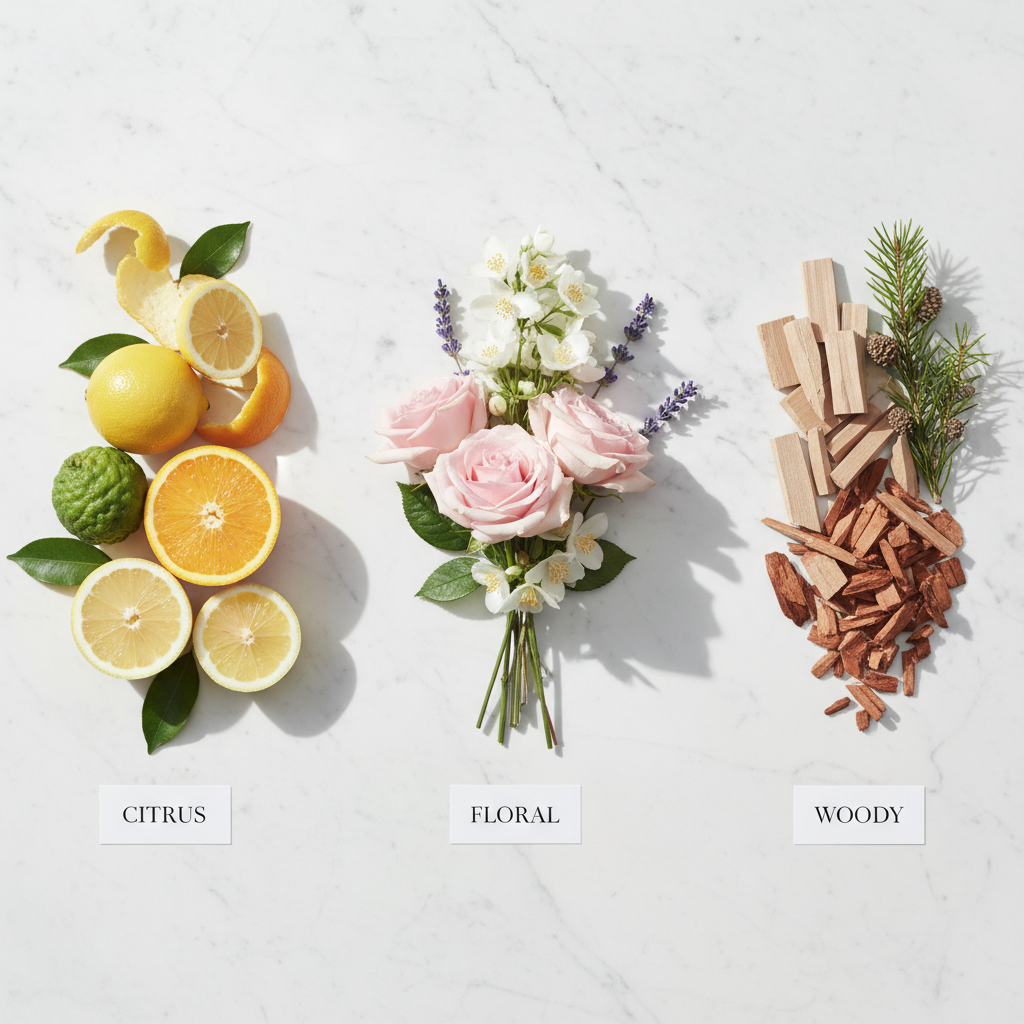
Choosing the right fragrance for your natural deodorant can feel overwhelming. Walk into any store and you’ll face dozens of options—lavender, bergamot, cedarwood, rose—but how do you know which will actually suit you?
The answer lies in understanding scent families. Rather than memorising individual fragrances, learning to recognise the three main scent families helps you make confident choices that complement your personality and lifestyle.
This guide breaks down floral, citrus, and woodsy scent families, explaining what makes each distinctive and helping you identify which resonates with you.
What Are Scent Families?
Scent families are categories that group fragrances with similar characteristics. Just as you might describe your style as “classic” or “casual,” scent families provide a vocabulary for talking about fragrance preferences.
The three primary scent families covered here are:
- Floral — Derived from flowers, ranging from light and delicate to rich and heady
- Citrus — Extracted from citrus fruits, characterised by freshness and brightness
- Woodsy — Sourced from trees and roots, known for earthy, grounding qualities
Understanding these categories simplifies fragrance selection. Instead of evaluating dozens of individual scents, you can first identify which family appeals to you, then explore options within that category.
The Floral Scent Family
Floral scents are perhaps the most recognisable fragrance family—and for good reason. Derived from flowers, they’ve been used in perfumery for centuries and remain the most popular category globally.
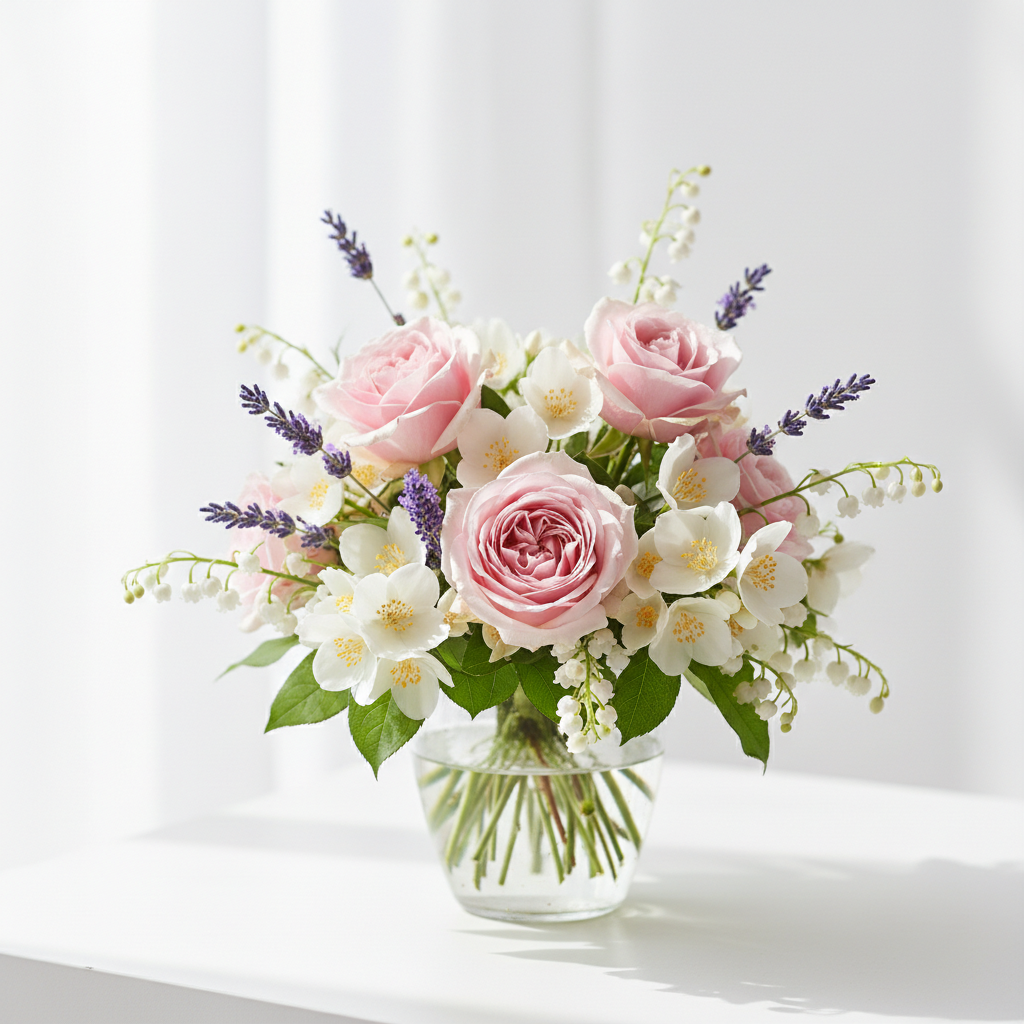
Recognising Floral Scents
Floral fragrances can be:
- Single-note — Featuring one dominant flower (pure rose, jasmine, or lavender)
- Bouquet — Blending multiple floral notes for complexity
Common flowers used in natural deodorants include:
- Rose — Classic, romantic, ranging from fresh to deep and velvety
- Jasmine — Sweet, exotic, with a slightly heady quality
- Lavender — Clean, calming, with herbal undertones
- Ylang-ylang — Rich, tropical, intensely floral
- Geranium — Fresh, slightly rosy, with green notes
The Character of Floral Scents
Floral fragrances tend to evoke:
- Femininity and elegance
- Romance and softness
- Classic sophistication
- Natural beauty
That said, many modern floral formulations appeal broadly regardless of gender, particularly when balanced with other notes.
Who Gravitates Toward Floral Scents
You might prefer floral scents if you:
- Appreciate classic, timeless aesthetics
- Enjoy the smell of gardens and fresh-cut flowers
- Prefer soft, approachable fragrances
- Want something that feels elegant without being overpowering
Floral Scents in Natural Deodorants
Many natural deodorant brands feature floral options, often combining flowers with other ingredients for balance. Common pairings include:
- Lavender with vanilla (softens and warms)
- Rose with geranium (adds freshness)
- Jasmine with sandalwood (grounds the sweetness)
Floral scents in deodorants tend to be lighter than in perfumes, making them suitable for everyday wear without overwhelming.
The Citrus Scent Family
Citrus scents deliver immediate freshness. Extracted primarily from fruit peels, they’re characterised by bright, zesty qualities that feel clean and energising.

Recognising Citrus Scents
Citrus fragrances are typically extracted through cold-pressing fruit peels, capturing pure, natural essences. Common citrus notes include:
- Lemon — Sharp, clean, universally fresh
- Orange — Sweet, warm, cheerful
- Grapefruit — Tangy, slightly bitter, energising
- Bergamot — Sophisticated, slightly floral, the signature of Earl Grey tea
- Lime — Zesty, green, vibrant
The Character of Citrus Scents
Citrus fragrances evoke:
- Energy and vitality
- Cleanliness and freshness
- Optimism and brightness
- Summer and sunshine
Research suggests citrus scents may improve mood and alertness, which explains their popularity in morning routines and workplace environments.
Who Gravitates Toward Citrus Scents
You might prefer citrus scents if you:
- Lead an active lifestyle
- Prefer light, non-invasive fragrances
- Enjoy fresh, clean sensations
- Want something that feels energising rather than relaxing
Citrus Scents in Natural Deodorants
Citrus notes work particularly well in deodorants because their freshness complements the product’s function. However, there’s one consideration worth noting.
Longevity: Citrus oils are volatile—they evaporate faster than other scent families. Pure citrus deodorants may fade quicker than floral or woodsy alternatives. Many brands address this by blending citrus with longer-lasting base notes.
Photosensitivity: Some citrus oils (particularly bergamot, lemon, and lime) can increase skin’s sensitivity to sunlight. If your deodorant contains citrus and your underarms will be exposed to sun, be mindful of this potential reaction.
The Woodsy Scent Family
Woodsy scents—sometimes called “woody” or “forest” scents—derive from trees, roots, and forest botanicals. They’re characterised by warmth, depth, and grounding qualities that feel connected to nature.

Recognising Woodsy Scents
Woodsy fragrances come from various parts of trees and forest plants:
- Sandalwood — Creamy, warm, slightly sweet
- Cedarwood — Dry, pencil-shavings, classic
- Pine — Fresh, green, distinctly forest-like
- Vetiver — Earthy, smoky, complex
- Patchouli — Rich, musky, with an earthy sweetness
The Character of Woodsy Scents
Woodsy fragrances evoke:
- Groundedness and stability
- Connection to nature
- Warmth and comfort
- Understated confidence
Historically associated with masculine fragrances, woodsy scents have become increasingly popular across all preferences as people seek earthy, natural options.
Who Gravitates Toward Woodsy Scents
You might prefer woodsy scents if you:
- Feel drawn to nature and the outdoors
- Prefer understated, subtle fragrances
- Want something warm rather than sweet
- Appreciate depth and complexity in scents
Woodsy Scents in Natural Deodorants
Woodsy notes offer excellent longevity—they’re among the most persistent fragrance families, meaning your deodorant’s scent will last throughout the day.
Many natural deodorant brands targeting outdoor enthusiasts or those seeking “earthy” options feature woodsy formulations. Common combinations include:
- Cedarwood with eucalyptus (adds freshness)
- Sandalwood with vanilla (enhances warmth)
- Pine with bergamot (lightens the forest notes)
Matching Scent to Lifestyle
Your ideal scent family often aligns with your daily activities, environment, and personality. Here’s a practical guide to matching fragrance with lifestyle.
Active Lifestyles
If you’re frequently exercising, commuting, or working in fast-paced environments:
- Best fit: Citrus scents
- Why: Fresh, energising, non-cloying during physical activity
- Good choices: Lemon, grapefruit, bergamot blends
Professional Settings
For office environments or client-facing roles:
- Best fit: Light florals or subtle citrus
- Why: Pleasant without being distracting or overpowering
- Good choices: Lavender, light rose, bergamot
Outdoor and Nature-Focused
If you spend significant time hiking, camping, or in natural environments:
- Best fit: Woodsy scents
- Why: Complement rather than clash with natural surroundings
- Good choices: Cedar, pine, sandalwood
Creative or Artistic
For those in creative fields or who value self-expression:
- Best fit: Any family that feels authentic to you
- Why: Fragrance becomes part of personal expression
- Good choices: Complex blends, unexpected combinations
Relaxation-Focused
If stress reduction and calm are priorities:
- Best fit: Floral (especially lavender) or soft woodsy scents
- Why: Both families have calming associations
- Good choices: Lavender, sandalwood, chamomile
Seasonal Considerations
Scent preferences often shift with seasons, and there’s practical logic behind this.
Warm Weather
Heat intensifies fragrance—scents become stronger and project further. Lighter options work better:
- Recommended: Citrus, light florals
- Avoid: Heavy woodsy or intense florals
Cool Weather
Cold air mutes fragrance, allowing richer scents without overwhelming:
- Recommended: Woodsy, deep florals
- Opportunity: Explore warmer, more complex options
Finding Your Signature Scent
Rather than committing immediately, approach scent selection as exploration.
Start with Samples
Many natural deodorant brands offer sample sizes or variety packs. Use these to test different scent families before purchasing full-size products.
Give It Time
First impressions matter, but scents develop throughout the day. Wear a fragrance for several hours before judging—the initial application may smell different from how it settles on your skin.
Trust Your Response
Your instinctive reaction matters. If a scent makes you feel confident, comfortable, and like yourself, that’s the right choice regardless of what’s trendy or recommended.
Consider Layering
Some people maintain a “scent wardrobe,” using different fragrances for different occasions:
- Light citrus for workouts
- Soft floral for daily wear
- Warm woodsy for evenings
Scent Families at a Glance
| Family | Key Notes | Character | Best For |
|---|---|---|---|
| Floral | Rose, jasmine, lavender | Soft, elegant, romantic | Classic preferences, calming needs |
| Citrus | Lemon, orange, bergamot | Fresh, energising, clean | Active lifestyles, warm weather |
| Woodsy | Cedar, sandalwood, pine | Grounded, warm, natural | Nature lovers, cooler weather |
Beyond the Basics
While floral, citrus, and woodsy form the primary scent families, many natural deodorants combine elements from multiple families. You might encounter:
- Floral-citrus blends — Bright and feminine (rose with bergamot)
- Citrus-woodsy blends — Fresh and grounded (lemon with cedar)
- Floral-woodsy blends — Romantic and earthy (jasmine with sandalwood)
These combinations offer complexity and can bridge preferences if you don’t fit neatly into one category.
The Bottom Line
Understanding scent families transforms fragrance selection from overwhelming to manageable. Instead of evaluating every individual option, you can identify which family resonates with your preferences, then explore within that category.
Key takeaways:
- Floral scents suit those who appreciate classic elegance and calming fragrances
- Citrus scents work well for active lifestyles and those preferring fresh, light options
- Woodsy scents appeal to nature lovers and those seeking grounded, lasting fragrances
There’s no objectively “best” scent family—only what feels right for you. Trust your instincts, experiment with samples, and remember that your fragrance preference may evolve with seasons, life stages, and changing tastes.
Ready to explore natural deodorant options in your preferred scent family? Browse our product reviews for detailed breakdowns, or check out our guide to essential oils in deodorants to understand the ingredients behind these fragrances.