Can You Use Natural Deodorant as Perfume?
Many natural deodorants smell good enough to double as fragrance. Learn which scents work best, how to apply them for lasting effect, and whether this approach suits your lifestyle.

If you’ve ever caught a whiff of your natural deodorant and thought “this smells better than my perfume,” you’re not alone. Many natural deodorants feature essential oil blends sophisticated enough to rival dedicated fragrances—and some people have quietly swapped their perfume for their deodorant without anyone noticing.
But can a product designed for your underarms really replace what you spray on your neck and wrists? The short answer: sometimes, yes. The longer answer involves understanding how natural deodorants create scent, which formulations work best as fragrances, and what limitations exist.
Why Natural Deodorants Smell So Good
Traditional deodorants typically use synthetic fragrances—laboratory-created scent compounds designed to mask odour. Natural deodorants take a different approach.
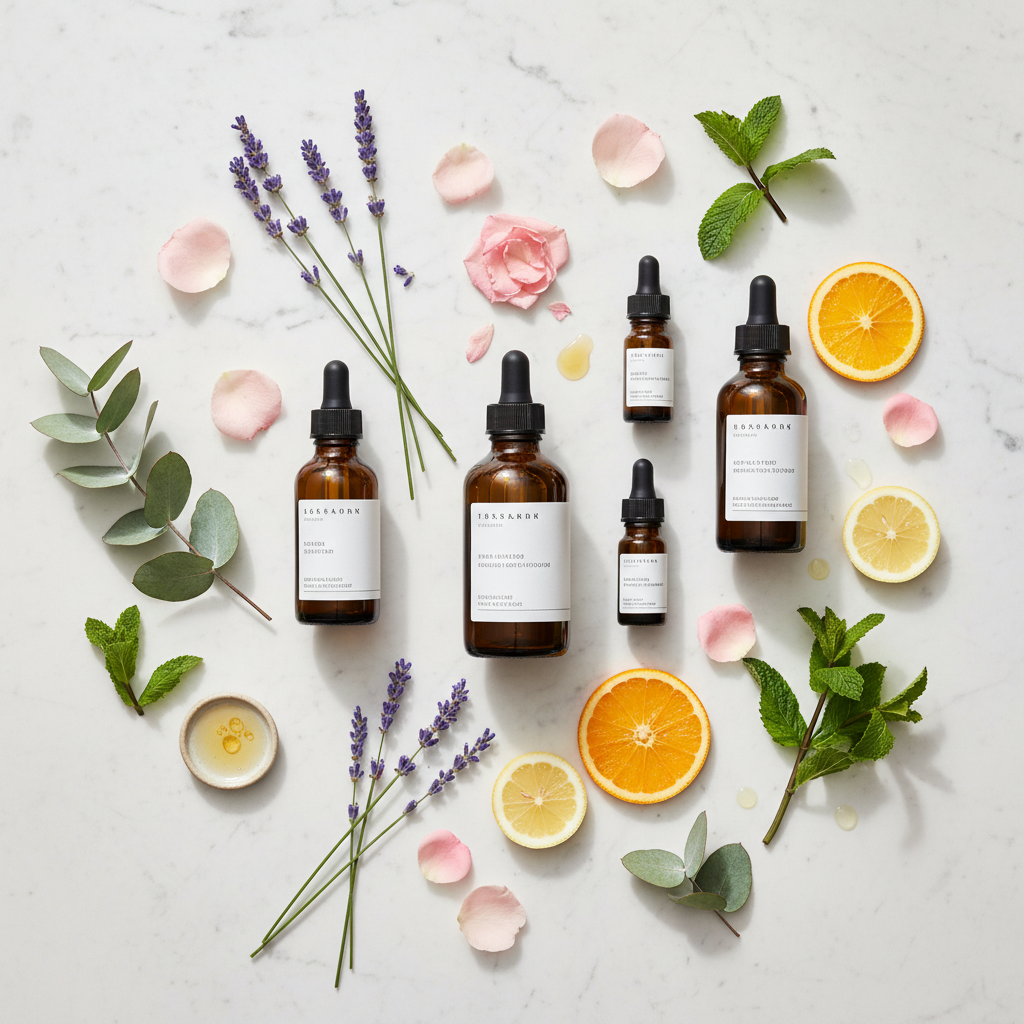
Essential Oils Do the Heavy Lifting
Most natural deodorants rely on essential oils for fragrance. These concentrated plant extracts provide scent while also contributing antibacterial properties that help control odour at its source.
Common essential oils in natural deodorants include:
| Oil | Scent Profile | Properties |
|---|---|---|
| Lavender | Floral, herbal, calming | Antibacterial, soothing |
| Tea tree | Medicinal, fresh, clean | Strongly antibacterial |
| Eucalyptus | Cool, crisp, invigorating | Antibacterial, refreshing |
| Citrus (lemon, orange, bergamot) | Bright, uplifting, zesty | Mood-boosting, deodorising |
| Cedarwood | Warm, woody, grounding | Calming, naturally masculine |
| Rose | Romantic, luxurious, soft | Skin-soothing |
| Peppermint | Cool, energising, sharp | Stimulating, fresh |
Because these oils are pure plant extracts rather than synthetic approximations, they often have more depth and complexity than conventional fragrance chemicals. They also interact with your skin’s natural chemistry, creating a scent that’s uniquely yours.
The Scent Lasts Differently
Perfumes are formulated with “notes”—top notes that you smell immediately, middle notes that emerge as top notes fade, and base notes that linger for hours. Natural deodorants weren’t designed with this structure in mind, so their scent behaves differently.
Essential oil fragrances tend to be:
- More subtle than traditional perfumes
- Closer to the skin rather than projecting outward
- Variable in duration depending on the oils used (citrus fades faster than woody scents)
- More natural-smelling without the synthetic “perfume” quality
For some people, this subtlety is precisely the appeal. The scent is present but not overpowering—a personal fragrance rather than an announcement.
When Natural Deodorant Works as Perfume
Using your deodorant as fragrance works best in certain situations.
It Works Well When:
You prefer subtle scents. If strong perfumes give you headaches or you work in scent-sensitive environments, a natural deodorant’s gentler fragrance may be ideal.
You want to simplify your routine. One fewer product to buy, store, and apply each morning adds up to meaningful convenience over time.
You’re sensitive to synthetic fragrances. Many people react to the synthetic compounds in traditional perfumes but tolerate essential oils well.
You’re going for an active, natural vibe. A hint of eucalyptus or lavender suits a yoga class or hiking trip better than heavy perfume.
Budget matters. Quality perfumes cost significantly more than even premium natural deodorants.
It’s Less Ideal When:
You want a scent that projects. Deodorant fragrance stays close to the skin. If you want people to smell you from a few feet away, you’ll need actual perfume.
You need all-day fragrance. Most deodorant scents fade within a few hours. Perfumes are formulated to last.
You have specific signature scent requirements. The range of available deodorant scents, while growing, is still narrower than the perfume market.
Formal occasions demand something elevated. A job interview or wedding might call for a more polished fragrance choice.
How to Use Natural Deodorant as Fragrance
If you want to experiment with this approach, a few techniques help maximise the scent.
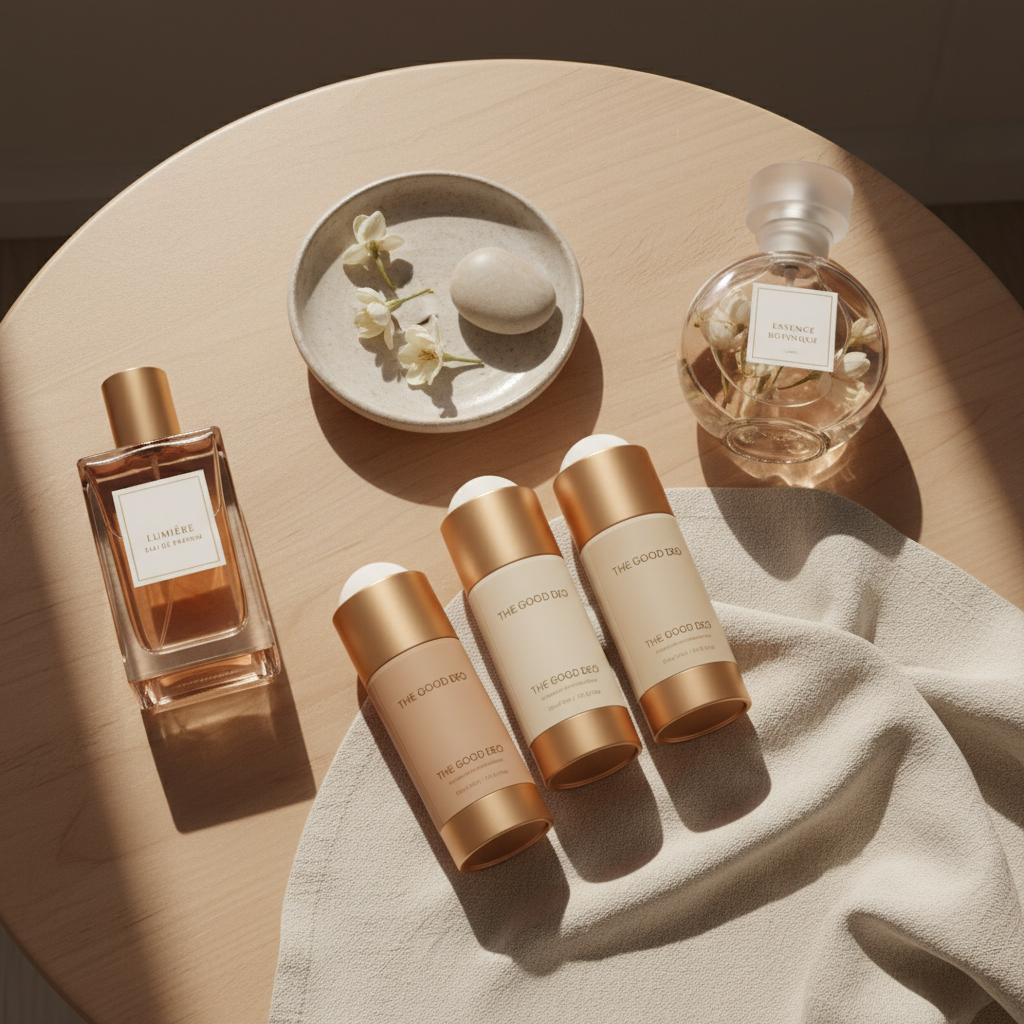
Apply to Pulse Points
Your underarms aren’t the only option. Apply a small amount to traditional perfume points where blood vessels are close to the skin surface:
- Wrists (inner side)
- Behind ears
- Base of throat
- Inner elbows
The warmth from these areas helps diffuse the fragrance. Stick formulas work well for this—just swipe lightly. Cream formulas can be dabbed with fingertips.
Layer Strategically
Apply your deodorant as usual to underarms, then add a touch to one or two pulse points. This creates a subtle “scent cloud” that moves with you throughout the day.
Reapply as Needed
Unlike perfume, deodorant fragrance fades faster. Keep your stick in your bag for midday touch-ups if the scent matters to you.
Match Your Body Chemistry
Scents interact differently with different people’s skin. A lavender deodorant that smells divine on your friend might turn sour on you. Test before committing—most natural deodorant brands offer sample sizes or smaller quantities for this reason.
Deodorant Scents That Work Well as Fragrance
Not all natural deodorants make good perfume substitutes. Look for these characteristics:
Complex blends over single notes. A deodorant combining lavender, vanilla, and sandalwood creates more interest than pure lavender alone.
Quality essential oils. Cheap oils smell cheap. Premium brands use better-quality extracts that perform more like traditional fragrances.
Scents that complement your natural smell. The goal isn’t to cover your body’s scent but to harmonise with it.
Scent Profiles That Translate Well
| If You Like… | Try Deodorants With… |
|---|---|
| Fresh, clean perfumes | Eucalyptus, mint, citrus |
| Floral fragrances | Rose, lavender, geranium |
| Woody, earthy scents | Cedarwood, vetiver, sandalwood |
| Sweet, warm fragrances | Vanilla, coconut, ylang ylang |
| Unisex/masculine | Bergamot, black pepper, pine |
Precautions and Practical Considerations
Patch Test First
Essential oils, while natural, can irritate skin—especially on sensitive areas like neck and wrists. Test a small amount on your inner arm before applying to pulse points.
Watch for Staining
Some natural deodorants contain oils or coloured ingredients that can transfer to clothing. Apply to skin, not fabric, and let it absorb before dressing.
Allergies Still Apply
“Natural” doesn’t mean “hypoallergenic.” If you’re sensitive to specific plants or essential oils, check ingredient lists carefully. Lavender and tea tree, despite being common, cause reactions in some people.
It Won’t Replace Perfume Entirely
Think of deodorant-as-fragrance as an option in your scent toolkit, not a complete replacement. Some days call for your trusty deodorant’s subtle lavender. Others warrant breaking out the actual perfume.
The Environmental Angle
Using one product instead of two reduces your consumption footprint. Most natural deodorants also come in more sustainable packaging than traditional perfumes, which typically involve glass bottles, plastic caps, and elaborate boxes.
If environmental impact influences your purchasing decisions, consolidating deodorant and fragrance into a single product aligns with that priority.
The Bottom Line
Can you use natural deodorant as perfume? Yes—with caveats. It works best for people who prefer subtle, natural scents and don’t need fragrance that projects strongly or lasts all day.
The approach offers real benefits: simplicity, cost savings, fewer synthetic chemicals on your skin, and reduced environmental impact. But it’s a complement to perfume, not necessarily a replacement.
The best approach: Find a natural deodorant with a scent you genuinely love. Use it as intended under your arms. On days when that scent feels like enough, skip the perfume. On days when you want something more, reach for your fragrance.
Your scent should reflect how you feel that day—and having options is never a bad thing.
Interested in learning more about what makes deodorants smell the way they do? Our guide to scent families explained breaks down fragrance categories to help you find your signature scent.