Unscented Deodorants That Actually Work
Sensitive skin or fragrance preferences shouldn't mean compromising on odour protection. Learn how unscented natural deodorants work and what to look for in an effective formula.
Unscented deodorants have a reputation problem. Many people assume that without fragrance, these products can’t possibly mask body odour effectively. The logic seems sound—if you can’t smell the deodorant, how do you know it’s working?
This misunderstands how deodorants function. Fragrance doesn’t prevent body odour; it merely covers it up. Effective unscented deodorants tackle the root cause of odour, often providing better long-term protection than their heavily scented counterparts.
This guide explains how unscented deodorants work, who benefits most from them, and what ingredients to look for in an effective formula.
Unscented vs Fragrance-Free: An Important Distinction
Before diving deeper, it’s worth clarifying terminology that’s often confused.
Unscented products may contain masking agents—ingredients that neutralise the smell of other components in the formula. You won’t detect a scent, but fragrance ingredients may still be present.
Fragrance-free products contain no fragrance ingredients whatsoever, including masking agents. What you smell is the natural scent of the ingredients themselves.
For most people, either option works. However, if you’re specifically avoiding fragrance ingredients due to allergies or sensitivities, look for products explicitly labelled “fragrance-free” and check the ingredients list to confirm.
Why Choose Unscented?
Several legitimate reasons drive people toward unscented deodorants. Understanding your motivation helps identify the right product.
Sensitive Skin and Allergies
Fragrance is among the most common causes of contact dermatitis in personal care products. The American Academy of Dermatology estimates that fragrance allergies affect a significant portion of the population, with many more experiencing sensitivity without formal diagnosis.
Symptoms of fragrance sensitivity include:
- Redness or rash in the underarm area
- Itching or burning sensation
- Dry, flaky skin
- Bumps or hives
If you experience any of these reactions, switching to a fragrance-free formula often resolves the issue.
Perfume Wearers
If you wear perfume or cologne, scented deodorant creates competition. Two different fragrances—one from your underarms, one from pulse points—can clash unpleasantly or muddy your chosen scent.
Unscented deodorant provides a neutral base, allowing your perfume to shine without interference.
Professional and Medical Settings
Certain environments discourage or prohibit fragranced products:
- Healthcare facilities (fragrance can affect patients)
- Workplaces with scent-free policies
- Close-contact professions (massage therapy, personal training)
- Environments with allergy-sensitive individuals
Personal Preference
Some people simply don’t enjoy added fragrance. They prefer their products functional rather than aromatic, or they find most deodorant scents artificial and off-putting.
Chemical Sensitivity
Beyond skin reactions, some individuals experience headaches, respiratory issues, or general discomfort from fragrance chemicals. Eliminating scented products reduces overall chemical exposure.
How Unscented Deodorants Control Odour
Body odour doesn’t come from sweat itself—sweat is largely odourless. The smell develops when bacteria on your skin break down sweat compounds, producing the characteristic odour we associate with perspiration.
Effective deodorants work by:
- Killing or inhibiting bacteria that cause odour
- Absorbing moisture to create a less hospitable environment for bacteria
- Neutralising odour compounds as they form
None of these mechanisms require fragrance. In fact, fragrance only masks odour rather than preventing it—a temporary solution that fails when the scent fades.
Key Ingredients in Effective Unscented Deodorants
Understanding what makes unscented deodorants work helps you evaluate products and find effective options.
Antibacterial Agents
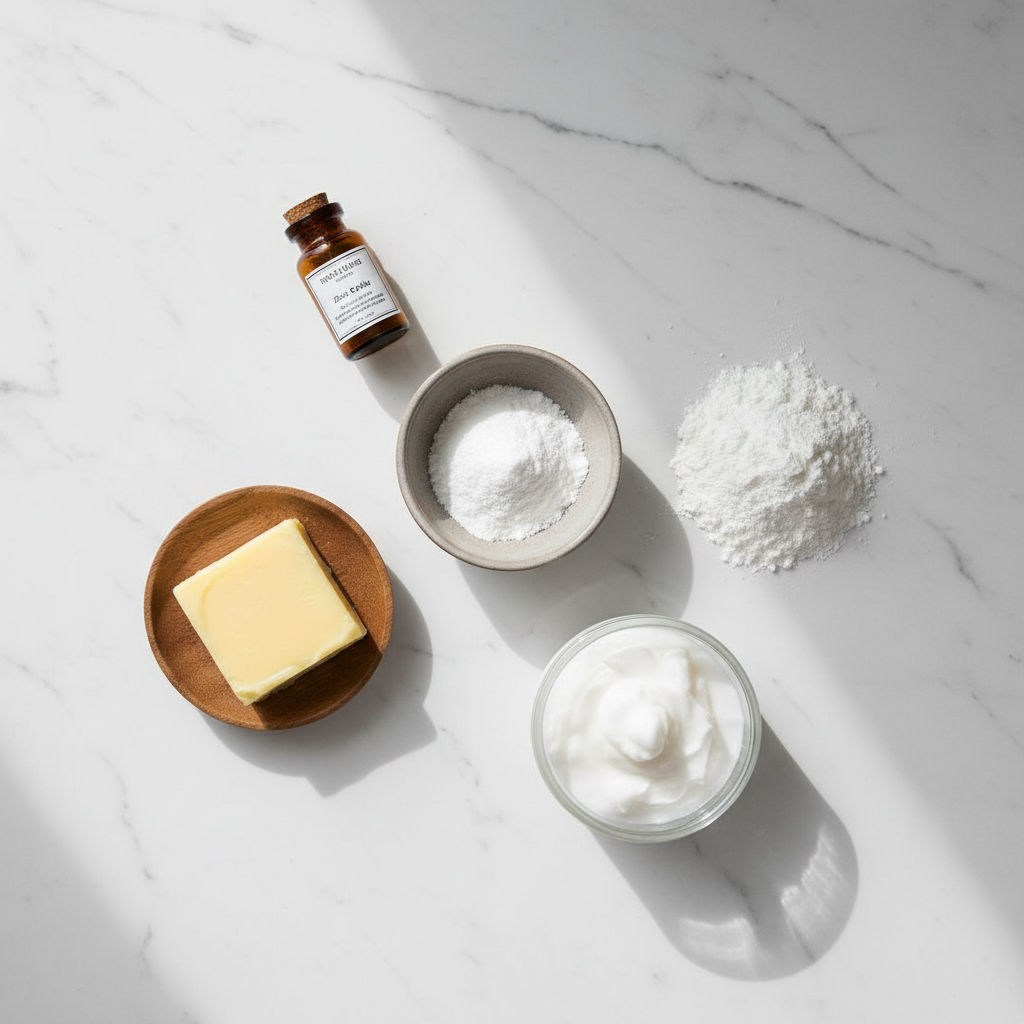
These ingredients target odour-causing bacteria directly.
Zinc oxide — A gentle mineral that inhibits bacterial growth. Well-tolerated by sensitive skin and provides reliable odour control.
Magnesium hydroxide — Creates an alkaline environment where bacteria struggle to survive. Gentler than baking soda for most people.
Coconut oil — Contains lauric acid, which has natural antibacterial properties. Also conditions skin.
Tea tree oil — Even in fragrance-free formulas, a tiny amount of tea tree provides antibacterial benefits without adding noticeable scent.
Odour Neutralisers
These ingredients don’t kill bacteria but neutralise the odour compounds they produce.
Baking soda (sodium bicarbonate) — Highly effective at neutralising acidic odour compounds. However, its high pH can irritate sensitive skin.
Activated charcoal — Absorbs odour molecules, preventing them from reaching your nose. Works well but can stain light clothing.
Zinc ricinoleate — Traps and absorbs odour molecules. Derived from castor oil and well-tolerated by most skin types.
Moisture Absorbers
Keeping underarms drier creates conditions less favourable for bacterial growth.
Arrowroot powder — A gentle starch that absorbs moisture without irritating skin.
Tapioca starch — Similar to arrowroot, provides moisture absorption and a smooth application feel.
Kaolin clay — Absorbs moisture and oil while being gentle enough for sensitive skin.
Cornstarch — Effective moisture absorber, though some people find it less gentle than arrowroot.
Skin Conditioners
Quality unscented deodorants include ingredients that soothe and protect skin.
Shea butter — Moisturising and anti-inflammatory, helps prevent irritation.
Jojoba oil — Mimics skin’s natural oils, providing moisture without clogging pores.
Aloe vera — Soothing and cooling, particularly helpful for sensitive or recently-shaved skin.
What to Look For (and Avoid)
Signs of an Effective Formula
When evaluating unscented deodorants, look for:
- Multiple odour-fighting mechanisms — Products combining antibacterial agents with neutralisers and absorbers tend to perform best
- Skin-soothing ingredients — Shea butter, aloe, or vitamin E indicate attention to skin health
- Appropriate format for your needs — Sticks, creams, and roll-ons each have advantages
- Transparent ingredient lists — You should be able to identify every component
Red Flags
Be cautious of products that:
- List “fragrance” or “parfum” despite claiming to be unscented
- Contain aluminium compounds if you’re specifically avoiding antiperspirants
- Include long lists of unrecognisable chemical names
- Make unrealistic claims about all-day or multi-day protection
Baking Soda: The Controversial Ingredient
Baking soda deserves special mention because it’s both highly effective and potentially problematic.
Why It Works
Baking soda is one of the most effective odour neutralisers available. Its alkaline pH neutralises acidic odour compounds, and it creates an environment where bacteria struggle to thrive.
Why It Can Cause Problems
The same alkaline pH that makes baking soda effective can disrupt your skin’s acid mantle—the protective barrier that maintains skin health. For some people, this causes:
- Redness and irritation
- Burning sensation
- Dark patches over time
- Rough, textured skin
The Solution
If you react to baking soda, look for formulas using magnesium hydroxide or zinc oxide as primary active ingredients. These provide similar odour control with less irritation potential.
If you tolerate baking soda well, there’s no need to avoid it—it remains one of the most effective natural deodorant ingredients available.
Application Tips for Maximum Effectiveness
Unscented deodorants work best with proper application technique.
Apply to Clean, Dry Skin
Bacteria counts are lowest immediately after showering. Apply deodorant to completely dry underarms for best results.
Use the Right Amount
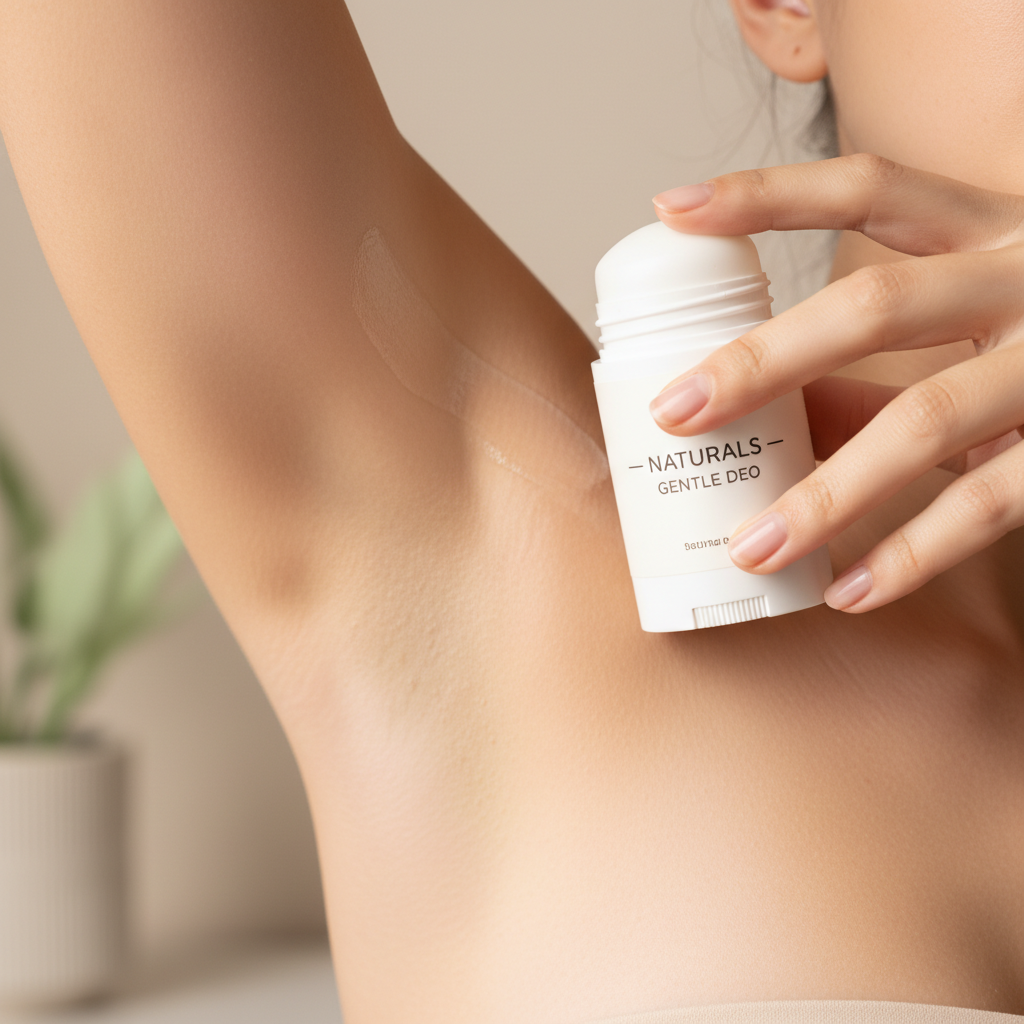
More isn’t necessarily better. With stick deodorants, 2-3 swipes per underarm provides adequate coverage. With creams, a pea-sized amount spread evenly works well.
Allow Time to Absorb
Wait 30-60 seconds before dressing to let the product absorb. This prevents transfer to clothing and ensures the active ingredients contact your skin.
Consider Evening Application
Some people find that applying deodorant at night—when sweat production is lower—allows better absorption. The protection carries through to the next day, with a light morning touch-up if desired.
Reapply When Needed
Unlike antiperspirants that block sweat glands for extended periods, deodorants may need midday refreshing during high-activity days or warm weather.
The Transition Period
If you’re switching from conventional antiperspirant to natural unscented deodorant, expect an adjustment period of 2-4 weeks.
During this time, your body recalibrates after years of having sweat glands blocked by aluminium compounds. You may experience:
- Increased sweating initially
- Stronger body odour than usual
- The feeling that your new deodorant “isn’t working”
This is temporary. Once your body adjusts, natural deodorants—including unscented options—typically provide effective, lasting protection.
For more on navigating this transition, see our guide on switching to natural deodorant.
Who Unscented Deodorants Work Best For
Based on formulation and real-world performance, unscented deodorants tend to work particularly well for:
- People with sensitive skin — Fewer potential irritants
- Fragrance allergy sufferers — Eliminates a common trigger
- Perfume enthusiasts — No scent competition
- Those in scent-restricted environments — Professional compliance
- Minimalists — Simple, functional approach to personal care
- People who dislike artificial scents — Many find natural ingredient scents preferable to synthetic fragrances
Common Concerns Addressed
”Won’t I smell bad without fragrance to cover odour?”
If your deodorant effectively controls bacteria and neutralises odour compounds, there’s nothing to smell. Fragrance covers odour; good formulation prevents it.
”How will I know if it’s working?”
You’ll know the same way you know any deodorant works—by reaching the end of your day without odour. The absence of a product scent doesn’t indicate absence of protection.
”Are unscented deodorants less effective than scented ones?”
Fragrance has no impact on odour-fighting effectiveness. What matters is the active ingredients. Many high-performing natural deodorants are available in both scented and unscented versions with identical efficacy.
”Will unscented deodorants stain clothes?”
Staining depends on ingredients, not fragrance. Some components (like certain oils or activated charcoal) can mark fabric regardless of whether the product is scented. Check product reviews for staining reports.
The Bottom Line
Unscented deodorants work by addressing the actual cause of body odour rather than masking it with fragrance. For many people, this approach proves more effective than heavily scented alternatives.
Key points to remember:
- Fragrance doesn’t prevent odour — It only covers it temporarily
- Check for “fragrance-free” if avoiding all fragrance ingredients matters to you
- Look for multiple active mechanisms — Antibacterial, neutralising, and absorbing ingredients working together
- Consider your baking soda tolerance — Effective but potentially irritating
- Allow for transition time if switching from antiperspirant
Whether you’re managing sensitive skin, avoiding scent clashes with perfume, or simply prefer a no-fragrance approach, effective unscented options exist. The key is understanding what makes them work and selecting products with proven active ingredients.
Ready to find an unscented deodorant that suits your needs? Explore our product reviews filtered by fragrance-free options, or learn more about ingredients to look for and avoid in natural deodorants.