The Problem with Plastic in Personal Care
Understanding the environmental impact of deodorant packaging - the scale of the problem, why conventional containers aren't recyclable, and how refillable alternatives offer a real solution.
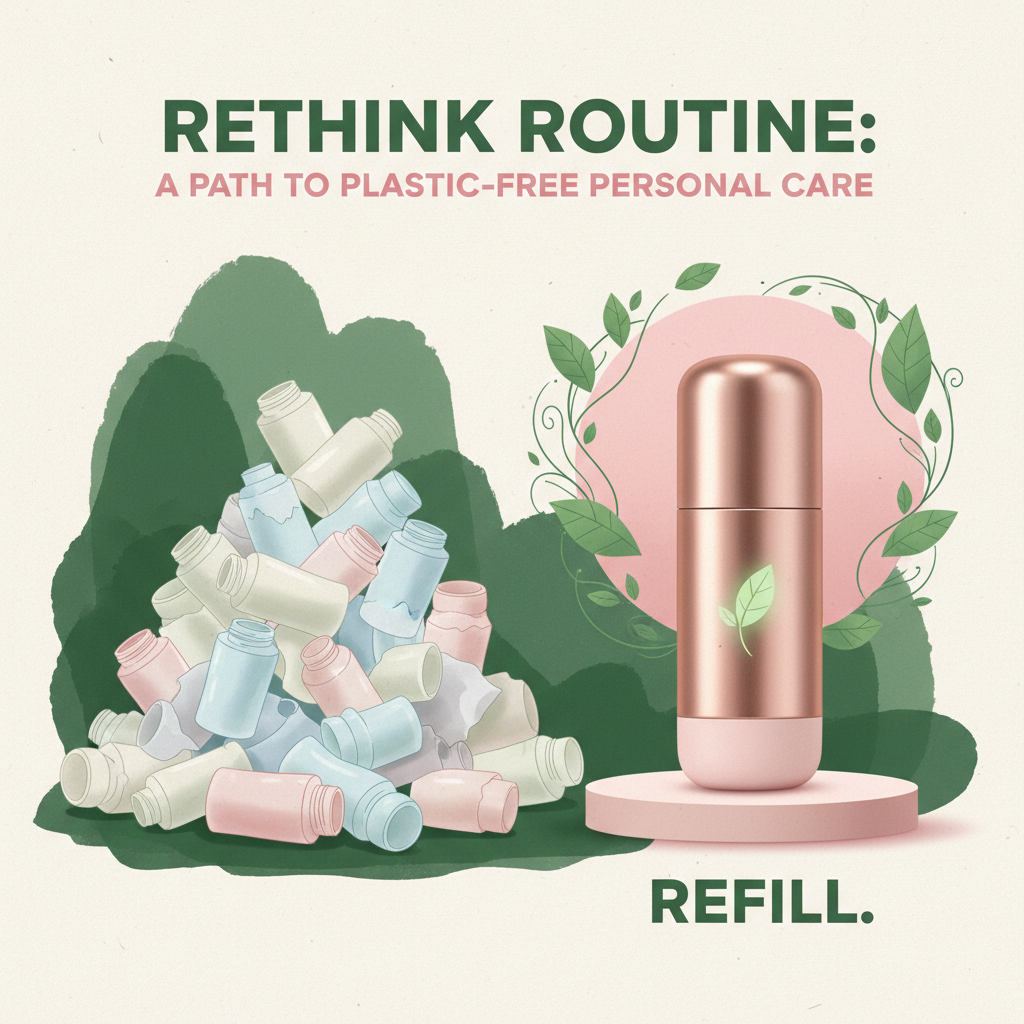
Every three months or so, you finish a deodorant. You look at the empty container—bulky plastic, maybe some metal bits inside—and wonder: where does this even go?
Most likely, into general waste. Despite our best recycling intentions, the vast majority of conventional deodorant containers can’t be processed by standard recycling facilities. They’re designed for convenience and shelf appeal, not end-of-life sustainability.
The numbers are sobering. An estimated 800 million deodorant containers are discarded annually in the UK alone—enough to circle the Earth multiple times. Globally, the personal care industry produces over 142 billion units of packaging every year, much of it destined for landfill or, worse, our oceans.
But there’s good news: the solutions exist, and they’re becoming increasingly accessible.
The Scale of the Problem
Personal Care’s Plastic Footprint
Deodorant is just one product in our bathroom cabinets, but it illustrates a wider problem. Consider everything with plastic packaging: shampoo, conditioner, body wash, face wash, moisturiser, toothpaste, makeup, and more. Each product contributes to a mounting waste problem.
The average person disposes of approximately 185 pounds of plastic annually, with personal care products contributing significantly to this figure.
Why Deodorant Packaging Is Problematic
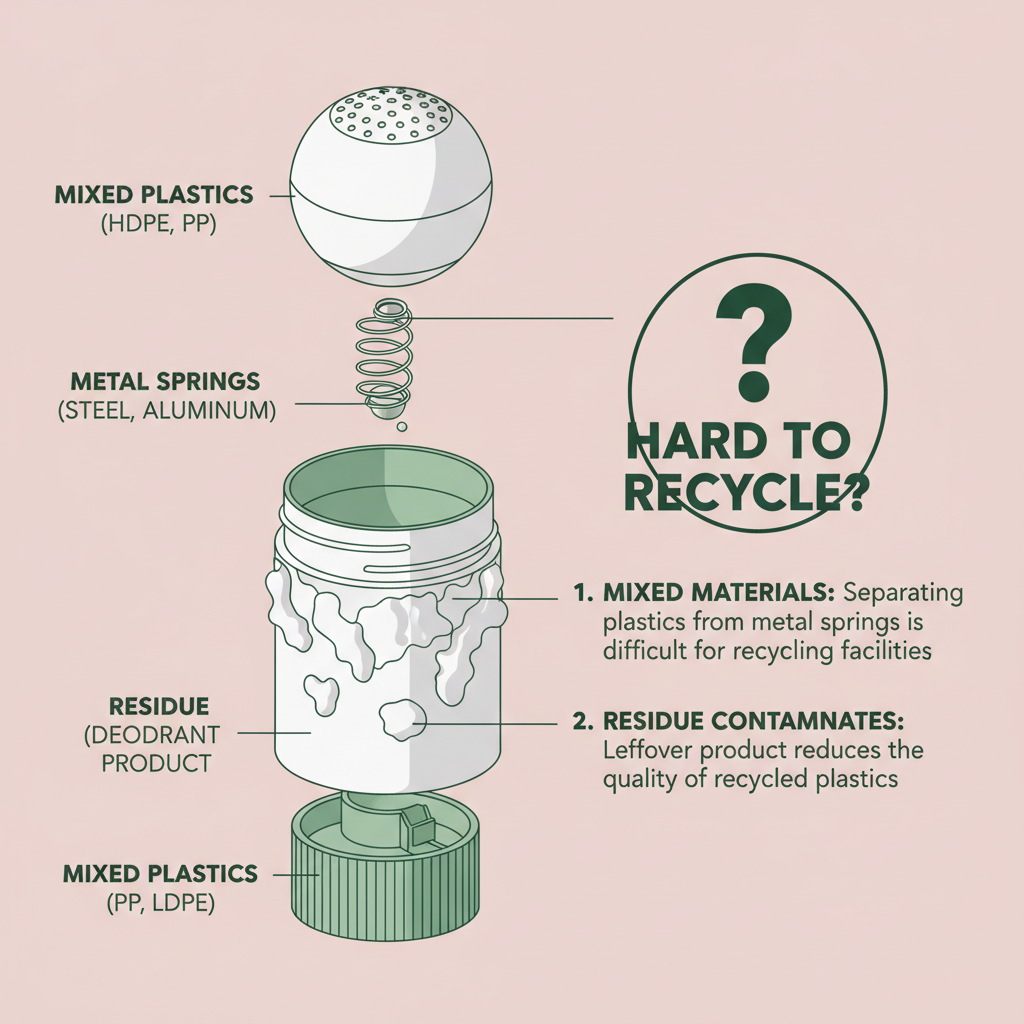
Conventional deodorant containers are particularly difficult to recycle because they’re made from multiple materials:
- Mixed plastics — Different types of plastic fused together
- Metal components — Springs in twist-up mechanisms
- Residual product — Deodorant residue contaminates recycling streams
Recycling facilities need materials to be clean and separated by type. A deodorant container with three types of plastic, a metal spring, and product residue is essentially impossible to process economically.
Even containers marked with recycling symbols often aren’t recycled in practice. The symbol indicates the type of plastic, not whether facilities actually accept it.
The Journey of Discarded Plastic
When plastic deodorant containers enter the waste stream, several fates await:
Landfill — The most common destination. Plastic can take 500-1,000 years to decompose, slowly breaking into microplastics that contaminate soil and groundwater.
Incineration — Burning plastic releases CO2 and potentially toxic compounds. While some energy may be recovered, it’s not a sustainable solution.
Ocean pollution — An estimated 8 million metric tons of plastic enter our oceans annually. Personal care packaging contributes to this, harming marine life and entering the food chain.
“Recycled” — Only about 9% of plastic ever produced has actually been recycled. Much “recycling” involves shipping waste to other countries, where it may be burned or dumped.
Why “Recyclable” Often Isn’t
The recycling symbol on packaging creates a false sense of security. Here’s the reality:
The Recycling Myth
What we think happens: We place containers in recycling bins, they’re processed, and become new products.
What actually happens: Contaminated or mixed-material items are rejected. Items that can’t be economically processed are landfilled or incinerated. Some “recyclables” are exported to countries with less stringent environmental standards.
The Economics of Recycling
Recycling only happens when it’s economically viable. For many plastics, virgin material is cheaper than recycled, so there’s little market demand for recycled plastic. Complex items like deodorant containers require too much processing to be profitable.
Better Options Exist
Rather than relying on imperfect recycling systems, the more effective approach is reducing packaging in the first place—which is where refillable systems come in.
The Refillable Revolution
Refillable deodorants represent a fundamental shift in how we think about personal care products. Instead of buying a new container every few months, you buy one container designed to last for years, then simply replace the product inside.
How Refillables Work
The case: A durable container made from aluminium, stainless steel, or high-quality recycled plastic. Designed for years of use, not disposal.
The refill: The actual deodorant product, packaged in minimal materials—often compostable bamboo pulp, recycled cardboard, or thin recyclable plastic.
The process: When your deodorant runs out, you pop out the empty refill and insert a new one. The case never needs replacing.
The Environmental Impact
The numbers are compelling:
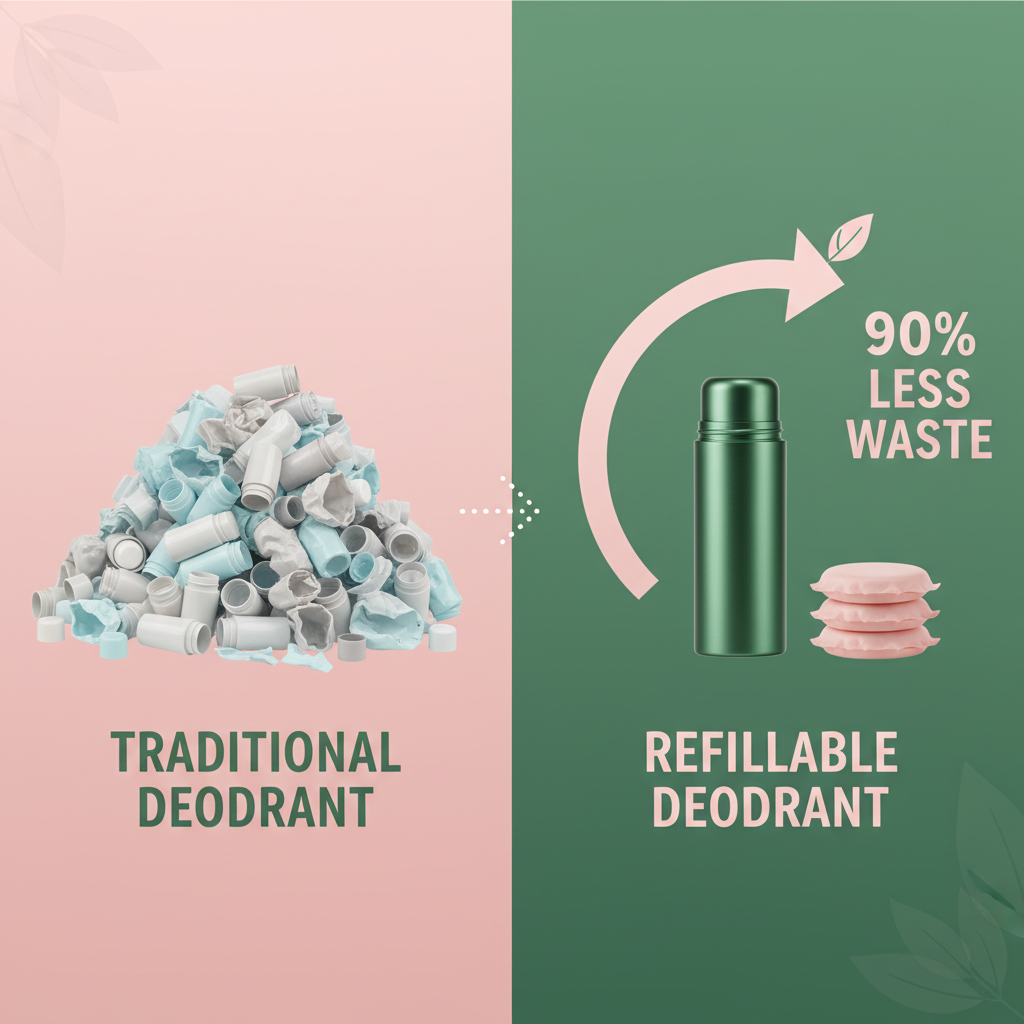
- A single refillable case can replace 50+ conventional containers over its lifetime
- Refills use approximately 80% less plastic than buying a new container
- Overall plastic reduction can reach 70% compared to conventional deodorants
If everyone in the UK switched to refillable deodorant, we could prevent hundreds of millions of plastic containers from entering the waste stream annually.
Leading Refillable Brands
Several brands have pioneered the refillable deodorant model:
Wild
Wild uses brushed aluminium cases in various colours, with refills made from compostable bamboo pulp. The refills arrive in minimal cardboard packaging and can be composted in home compost bins.
Key features:
- Cases designed to last indefinitely
- 100% compostable refills
- Subscription model ensures you never run out
- B Corp certified
Fussy
Fussy offers cases made from recycled ocean plastic, with compostable refills similar to Wild’s approach.
Key features:
- Cases made from recovered ocean plastic
- Compostable refill packaging
- Wide scent range
- Subscription available
by Humankind
This US brand uses refillable containers with compostable refills, emphasising design and sustainability equally.
Key features:
- Sleek, premium design
- Plastic-free refills
- Subscription model
- Expanding beyond deodorant to other personal care
Making the Switch
Transitioning to refillable deodorant is straightforward, but here are some tips for success.
Getting Started
- Choose your brand — Research options based on scent preferences, price, and sustainability credentials
- Purchase a starter kit — Most brands offer a case + first refill bundle
- Set up a subscription — Ensures refills arrive before you run out
- Recycle or repurpose old containers — Check if any can be recycled; otherwise, consider upcycling
The Adjustment Period
If you’re switching from conventional antiperspirant to natural deodorant (as most refillables are), expect a 2-4 week adjustment period as your body adapts to not having sweat glands blocked.
Cost Considerations
Refillable deodorants often have a higher upfront cost (you’re buying a durable case), but refills are typically cheaper than buying new conventional deodorants. Over time, the cost evens out or becomes favourable.
Example calculation:
- Wild starter kit: ~£12
- Wild refills: ~£5-6 each
- Over one year (4 refills): ~£32 total
Compared to premium conventional deodorants at £5-8 every 6-8 weeks, refillables often cost about the same or less—with far better environmental outcomes.
Beyond Deodorant
Once you’ve made the switch to refillable deodorant, you might consider extending the approach to other personal care products:
- Shampoo and conditioner bars — Eliminate plastic bottles entirely
- Refillable soap dispensers — Buy bulk refills instead of new bottles
- Bamboo toothbrushes — Compostable alternative to plastic
- Safety razors — Metal razors with replaceable blades, no plastic
- Refillable makeup — Some cosmetic brands now offer refillable compacts
Each swap reduces your personal plastic footprint and sends a market signal that sustainable options are in demand.
The Bigger Picture
Individual choices matter, but systemic change is also necessary. While switching to refillable deodorant is a meaningful personal action, consider also:
Supporting Policy Change
Advocate for extended producer responsibility laws that make companies accountable for the waste their products create.
Demanding Corporate Action
Use your voice as a consumer to push brands toward more sustainable practices. Companies respond to customer demand.
Spreading Awareness
Share what you’ve learned with friends and family. Normalising sustainable choices makes them more accessible to everyone.
The Bottom Line
The plastic problem in personal care is real and significant, but it’s not unsolvable. Refillable deodorants offer a practical, effective alternative that:
- Dramatically reduces plastic waste — 50+ containers prevented per case
- Works just as well — Modern natural formulas are genuinely effective
- Costs about the same — Higher upfront cost balanced by cheaper refills
- Looks good in your bathroom — Designed cases are more attractive than disposable plastic
Every refillable deodorant purchased is a vote for a more sustainable personal care industry. It tells manufacturers that consumers want better options—and they’re willing to support brands that provide them.
The journey toward sustainable living is made of small, consistent choices. Your deodorant might seem like a minor detail, but multiplied across millions of consumers, these choices drive real change.
Ready to ditch disposable? Explore our reviews of refillable deodorants or take our Find Your Perfect Deodorant quiz to find your sustainable match.