Essential Oils in Deodorants: Benefits and Risks
A complete guide to essential oils in natural deodorants - how they work, their benefits, potential risks, and how to use them safely.

Walk into any natural deodorant section and you’ll be greeted by an aromatic symphony—lavender, eucalyptus, bergamot, peppermint. Essential oils have become synonymous with natural personal care, promising not just pleasant scents but therapeutic benefits too.
But can these concentrated plant extracts really replace conventional deodorant ingredients? And more importantly, are they safe for daily use on sensitive underarm skin?
This guide explores the benefits and risks of essential oils in deodorants, helping you navigate this fragrant world with confidence.
What Are Essential Oils?
Essential oils are concentrated extracts derived from plants—their leaves, flowers, bark, roots, or peels. They capture the plant’s “essence,” including its scent and beneficial compounds.
Unlike synthetic fragrances (which can contain hundreds of artificial chemicals), essential oils are natural substances with identifiable compositions. A single essential oil might contain 50-300 different natural chemical compounds, each contributing to its scent and properties.
How They’re Made
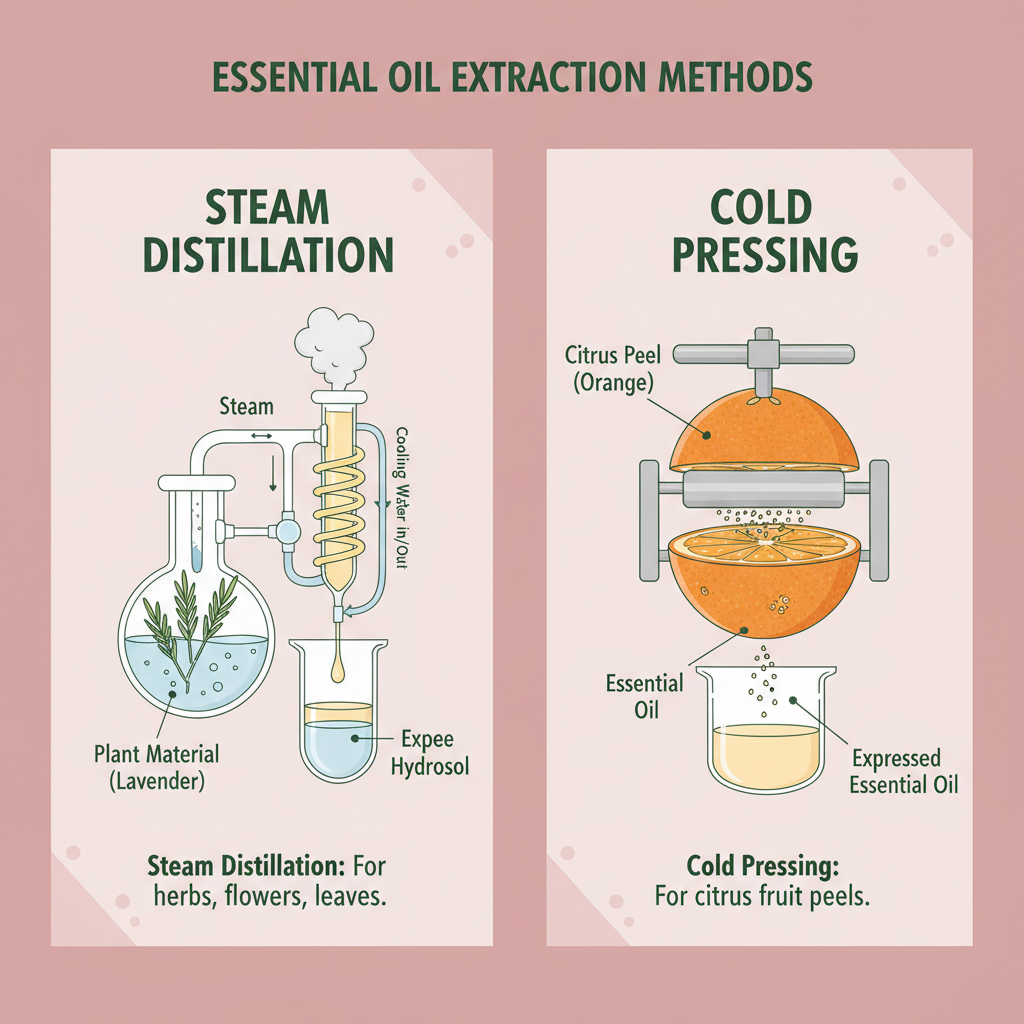
Most essential oils are extracted through:
- Steam distillation — Steam passes through plant material, vaporising the oils, which are then condensed and collected
- Cold pressing — Used mainly for citrus oils, where the peel is mechanically pressed to release oils
- Solvent extraction — Used for delicate flowers that can’t withstand heat
The extraction process matters. High-quality oils from reputable sources retain their beneficial properties, while poor extraction or adulteration can result in inferior products.
Why Essential Oils Are Used in Deodorants
Essential oils serve multiple purposes in natural deodorants—they’re not just there for fragrance.
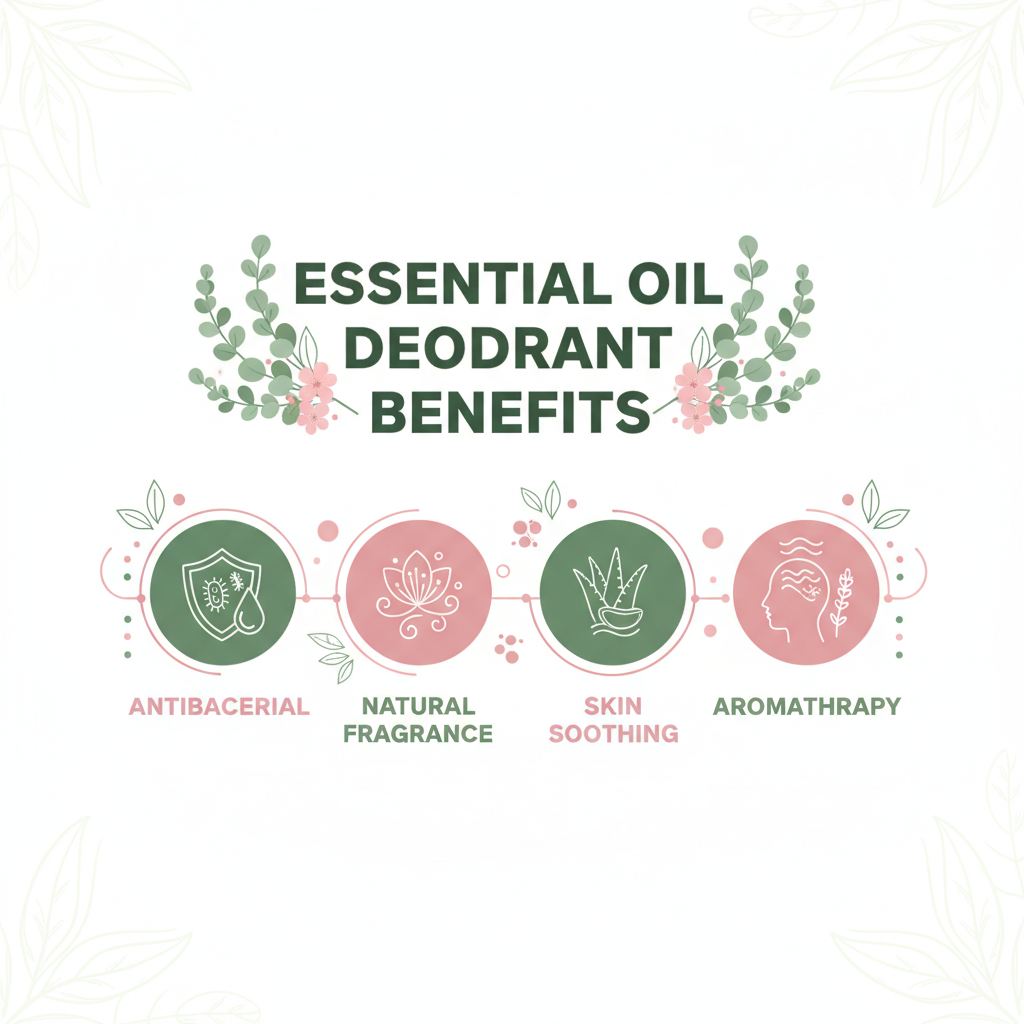
Antimicrobial Properties
Body odour isn’t caused by sweat itself—it’s caused by bacteria breaking down sweat compounds. Several essential oils have demonstrated antibacterial activity:
Tea tree oil is perhaps the most studied, with research published in the Journal of Applied Microbiology confirming its effectiveness against common skin bacteria.
Lavender oil shows antibacterial and antifungal properties, making it useful for controlling odour-causing microbes.
Eucalyptus oil has documented antimicrobial effects and creates an inhospitable environment for bacteria.
Lemongrass oil has shown substantial inhibitory effects on skin pathogens in laboratory studies.
Natural Fragrance
Unlike synthetic “fragrance” (which can hide dozens of artificial chemicals), essential oils provide scent from identifiable, natural sources. For those avoiding synthetic ingredients, this transparency is valuable.
Additional Skin Benefits
Some essential oils offer benefits beyond odour control:
- Lavender — Soothing and calming, may help with irritation
- Chamomile — Anti-inflammatory properties
- Peppermint — Cooling sensation, can feel refreshing
- Frankincense — May support skin healing
Aromatherapy Effects
While applying deodorant might not be a spa experience, the scents can influence mood:
- Citrus oils (orange, lemon, grapefruit) — Energising and uplifting
- Lavender — Calming and stress-reducing
- Peppermint — Invigorating and focus-enhancing
- Eucalyptus — Refreshing and clearing
The Benefits: Why Essential Oils Appeal
Natural Alternative to Synthetic Fragrances
Synthetic fragrances are among the most common causes of allergic reactions in personal care products. Essential oils offer a transparent alternative—you know exactly what’s providing the scent.
Multifunctional Ingredients
Rather than needing separate ingredients for fragrance and antibacterial action, essential oils can serve both purposes, allowing for simpler formulations.
Pleasant User Experience
There’s something undeniably appealing about natural scents. Many people find essential oil fragrances more pleasant and less overwhelming than synthetic alternatives.
Potential Health Benefits
While more research is needed, some studies suggest essential oils may offer benefits beyond deodorant function—from mood enhancement to skin support.
The Risks: What to Watch Out For
Essential oils are natural, but natural doesn’t automatically mean safe for everyone. These are potent, concentrated substances that deserve respect.
Skin Sensitisation and Allergies
Essential oils are among the more common causes of contact dermatitis in natural products. Approximately 1-3% of the population has documented essential oil allergies, but a larger percentage may experience sensitisation—where the skin becomes reactive after repeated exposure.
Common sensitisers include:
- Lavender (despite its gentle reputation)
- Tea tree
- Ylang-ylang
- Bergamot
- Cinnamon
- Clove
Photosensitivity
Certain essential oils, particularly citrus oils, can cause photosensitivity—making your skin more susceptible to UV damage and potentially causing burns or discolouration when exposed to sunlight.
Photosensitive oils include:
- Bergamot (the most photosensitive)
- Lemon
- Lime
- Grapefruit
- Orange (less severe)
If your deodorant contains citrus oils, be mindful of sun exposure on your underarms—relevant if you wear sleeveless tops.
Concentration Matters
Essential oils are highly concentrated—it takes about 250 pounds of lavender flowers to produce one pound of lavender oil. This concentration means that improper use can cause problems:
- Too high a concentration — Can cause irritation, burns, or sensitisation
- Undiluted application — Never apply pure essential oils directly to skin
Reputable deodorant brands dilute essential oils to safe levels (typically 1-2% of the formula), but cheap or poorly formulated products may use inappropriate concentrations.
Quality Concerns
Not all essential oils are created equal. The market includes:
- Pure, high-quality oils — Properly extracted and tested
- Adulterated oils — Diluted with cheaper oils or synthetic compounds
- Synthetic “nature-identical” oils — Lab-created to mimic natural oils
Low-quality oils may not provide the expected benefits and may contain irritating contaminants.
Individual Variation
What works beautifully for one person may cause reactions in another. Body chemistry, skin type, and individual sensitivities all play a role.
Safe Use: Best Practices
Always Patch Test
Before committing to a new essential oil-based deodorant:
- Apply a small amount to your inner forearm
- Wait 24-48 hours
- Watch for redness, itching, or irritation
- If no reaction, proceed with caution on underarms
Start Slowly
When trying a new product, use it for a few days before making it your daily choice. Sensitisation can develop over time, not just immediately.
Choose Quality Products
Look for deodorants from reputable brands that:
- List specific essential oils (not just “fragrance”)
- Use appropriate dilution levels
- Source quality ingredients
- Have good customer reviews regarding skin tolerance
Know Your Sensitivities
If you’ve reacted to certain plants or fragrances before, avoid essential oils from those sources. If you have generally sensitive skin, consider:
- Fragrance-free natural deodorants
- Products with only gentle essential oils (like lavender or chamomile)
- Lower essential oil concentrations
Be Mindful of Timing
- After shaving — Wait several hours before applying essential oil products to freshly shaved skin
- Sun exposure — Be cautious with citrus oils if your underarms will be exposed to sunlight
Navigating the Options
If You Love Essential Oils
Choose products that:
- Use essential oils you’ve tolerated well before
- Come from brands known for quality formulations
- Have positive reviews from people with similar skin types
Popular well-tolerated options include lavender, vanilla, and mild citrus blends.
If You’re Sensitive
Consider:
- Fragrance-free formulas — Many natural deodorant brands offer unscented options
- Sensitive skin lines — Often use fewer or gentler essential oils
- Patch testing — Essential before any new product
If You’re Unsure
Start with a sampler or travel size. Many brands offer variety packs that let you try different scents without committing to full-size products.
Essential Oils vs. Synthetic Fragrances
| Aspect | Essential Oils | Synthetic Fragrances |
|---|---|---|
| Source | Plant-derived | Laboratory-created |
| Transparency | Specific oils listed | ”Fragrance” can hide 100+ chemicals |
| Benefits | May offer antimicrobial/therapeutic properties | Scent only |
| Sensitisation risk | Present (1-3% of population) | Present (higher in some studies) |
| Environmental impact | Depends on sourcing | Petroleum-derived, less sustainable |
| Cost | Generally higher | Generally lower |
Neither option is perfect. The choice depends on your priorities—transparency and potential additional benefits (essential oils) versus lower cost and wider scent options (synthetic fragrances, though with less transparency).
The Bottom Line
Essential oils can be wonderful additions to natural deodorants, offering pleasant scents, antimicrobial benefits, and the satisfaction of knowing exactly what you’re applying to your skin. However, they’re not without risks.
The key principles:
- Quality matters — Choose reputable brands with properly formulated products
- Concentration matters — Essential oils should be appropriately diluted
- Individual response varies — What works for others may not work for you
- Patch test everything — Especially important with essential oils
- Listen to your skin — Discontinue use at any sign of irritation
Essential oils in deodorants represent a middle ground—more natural than synthetic fragrances, but not as simple as fragrance-free options. For many people, they provide an effective, pleasant, and relatively safe choice. For others, particularly those with sensitive skin, fragrance-free alternatives may be wiser.
Your skin is the best guide. Pay attention to how it responds, and don’t hesitate to adjust your choices based on what you observe.
Ready to explore essential oil-based deodorants? Browse our product reviews for detailed breakdowns of specific formulations, or check out our sensitive skin guide if you’re concerned about reactions.