Deodorant vs Antiperspirant: What's the Difference?
Understand the key differences between deodorant and antiperspirant, how each works, and which one is right for your body and lifestyle.
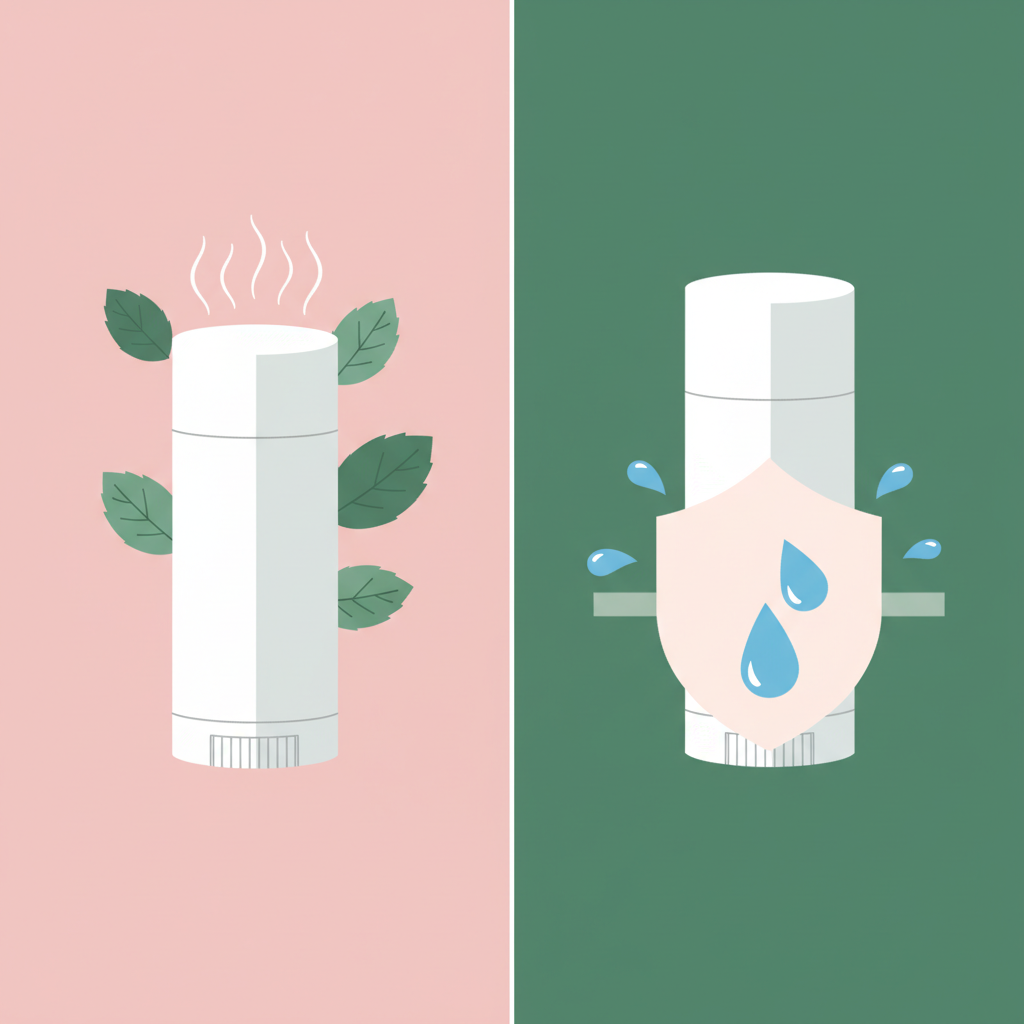
Standing in the personal care aisle, faced with dozens of products all promising to keep you fresh, you might wonder: what’s the actual difference between deodorant and antiperspirant? Despite being used interchangeably in conversation, these two products work in fundamentally different ways.
Understanding this distinction isn’t just trivia—it can help you choose the right product for your body, lifestyle, and values. Whether you’re battling odour, managing heavy sweating, or looking for more natural alternatives, knowing how each product works puts you in control.
The Fundamental Difference
Here’s the core distinction:
- Deodorant targets odour
- Antiperspirant targets sweat
That’s it. Everything else—the ingredients, mechanisms, and best use cases—flows from this simple difference.
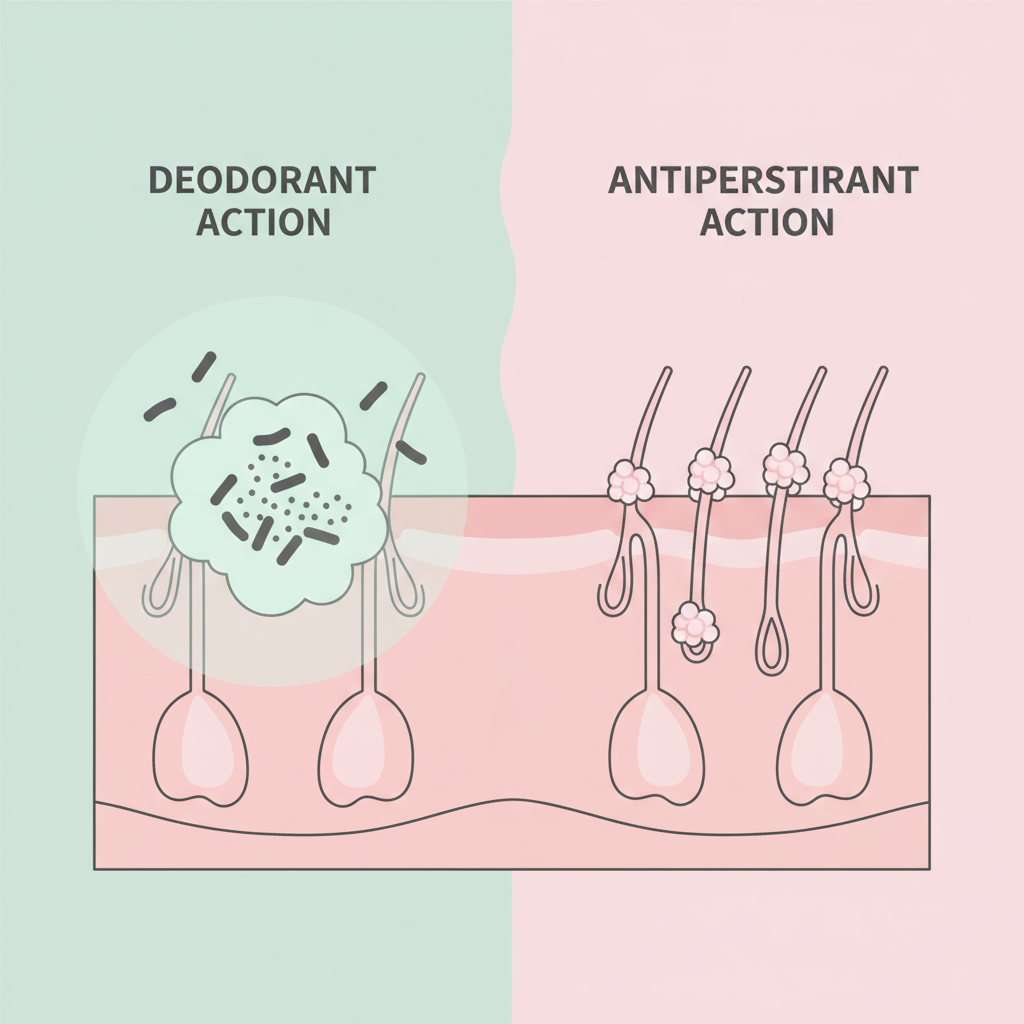
How Deodorant Works
Deodorants focus on one thing: keeping you smelling fresh. They achieve this through several mechanisms:
Neutralising Odour-Causing Bacteria
Your sweat itself is virtually odourless. The smell we associate with sweating occurs when bacteria on your skin break down proteins in sweat, producing volatile compounds as waste. Deodorants contain antibacterial ingredients that reduce these bacterial populations, meaning less odour production.
Common antibacterial ingredients include:
- Alcohol (creates an inhospitable environment for bacteria)
- Essential oils (tea tree, eucalyptus, lavender)
- Witch hazel
- Zinc compounds
Masking Residual Odour
Deodorants typically include fragrances that help cover any remaining smell. This provides a secondary line of defence—pleasant scents that keep you smelling fresh even if some bacterial activity occurs.
Absorption
Many deodorants contain absorbent ingredients like:
- Baking soda (sodium bicarbonate)
- Arrowroot powder
- Tapioca starch
- Kaolin clay
These help absorb some moisture, though they don’t prevent sweating like antiperspirants do.
What Deodorant Doesn’t Do
Crucially, deodorant does not stop you from sweating. Your sweat glands continue functioning normally. If you’re prone to visible sweat patches or heavy perspiration, deodorant alone may not address these concerns.
How Antiperspirant Works
Antiperspirants take a different approach: rather than addressing odour after sweating occurs, they reduce sweating itself.
The Aluminium Mechanism
The active ingredient in antiperspirants is typically an aluminium-based compound (aluminium chloride, aluminium chlorohydrate, or aluminium zirconium). Here’s how it works:
- When applied, aluminium salts dissolve in the moisture on your skin
- This creates a gel-like substance
- The gel forms temporary plugs within your sweat ducts
- These plugs reduce the amount of sweat reaching your skin’s surface
Research suggests antiperspirants can reduce sweat production by approximately 20% at rest and up to 30-50% during physical activity.
The Odour Connection
By reducing sweat, antiperspirants also indirectly reduce odour. Less sweat means less food for odour-causing bacteria, which means less smell. Many antiperspirants also include deodorising ingredients for additional protection.
Important Clarifications
- The plugs are temporary — They wash away naturally and don’t permanently affect your sweat glands
- You still sweat — Antiperspirants reduce sweating, they don’t eliminate it entirely
- Your body compensates — Blocked sweat ducts in one area may lead to slightly increased sweating elsewhere, though this is usually minimal

Side-by-Side Comparison
| Aspect | Deodorant | Antiperspirant |
|---|---|---|
| Primary function | Prevents/masks odour | Reduces sweat production |
| How it works | Kills bacteria, adds fragrance | Blocks sweat ducts temporarily |
| Contains aluminium | Usually no | Yes (active ingredient) |
| Regulatory classification | Cosmetic | Over-the-counter drug |
| Prevents sweat stains | No | Yes (reduces them) |
| Best for | Light sweaters, odour control | Heavy sweaters, staying dry |
| Natural options available | Many | Limited |
The Pros and Cons of Deodorant
Advantages
No aluminium concerns For those who prefer to avoid aluminium compounds, deodorants offer effective odour protection without this ingredient.
More natural options The natural deodorant market has exploded with options using plant-based ingredients, essential oils, and eco-friendly packaging.
Allows natural sweating Sweating is a healthy bodily function. Deodorants let your body regulate temperature naturally while managing odour.
Generally gentler Many people find deodorants less likely to cause skin irritation, particularly natural formulas.
Eco-friendly choices Deodorants are available in plastic-free, refillable, and biodegradable formats more readily than antiperspirants.
Disadvantages
Won’t prevent sweat patches If visible sweating is your concern, deodorant alone won’t solve the problem.
May require reapplication Especially with natural formulas, you might need to apply more than once daily.
Effectiveness varies Natural deodorants in particular can be hit-or-miss depending on individual body chemistry.
Transition period Switching to natural deodorant often involves an adjustment period where odour may temporarily increase.
The Pros and Cons of Antiperspirant
Advantages
Effective sweat reduction Clinical-strength antiperspirants can significantly reduce perspiration, keeping you dry and comfortable.
Prevents sweat stains By reducing the amount of sweat reaching your clothes, antiperspirants help prevent embarrassing marks.
Long-lasting protection Many antiperspirants offer 24-48 hour protection with a single application.
Dual action Most antiperspirants also contain deodorising ingredients, offering both sweat and odour protection.
Proven effectiveness Antiperspirants have decades of research and development behind them.
Disadvantages
Aluminium content While major health organisations haven’t found conclusive evidence of harm, some people prefer to avoid aluminium.
Potential for irritation The aluminium compounds can cause skin irritation, particularly on sensitive skin or freshly shaved underarms.
Blocks natural function Some argue that preventing sweating interferes with your body’s natural cooling and detoxification processes.
Limited natural alternatives True antiperspirant action requires aluminium, making fully natural alternatives rare.
Environmental considerations Antiperspirant packaging and ingredients may be less eco-friendly than deodorant alternatives.
Yellow staining Aluminium compounds can react with sweat proteins to cause yellowish stains on light-coloured clothing.
Which Should You Choose?
The right choice depends on your individual needs, concerns, and values.
Choose Deodorant If:
- You’re primarily concerned with odour, not wetness
- You sweat lightly to moderately
- You prefer to avoid aluminium compounds
- You want natural or eco-friendly options
- You have sensitive skin that reacts to antiperspirants
- You’re comfortable with your body’s natural sweating
Choose Antiperspirant If:
- You sweat heavily or have hyperhidrosis
- Visible sweat patches cause you concern or embarrassment
- You need long-lasting protection without reapplication
- You’re in situations where staying visibly dry matters (presentations, interviews, formal events)
- Deodorant alone hasn’t been effective for you
Consider Both
Many people use different products for different situations:
- Natural deodorant for everyday use at home or casual settings
- Antiperspirant for work presentations, important meetings, or intense workouts
- Deodorant during cooler months, antiperspirant in summer
There’s no rule saying you must choose one exclusively.
Natural and Eco-Friendly Considerations
For environmentally conscious consumers, the deodorant vs antiperspirant choice often comes with additional considerations.
Natural Deodorant Options
The natural deodorant market offers many effective options using:
- Plant-based antibacterials (tea tree, coconut oil)
- Mineral salts
- Baking soda (though this can irritate some skin types)
- Arrowroot and tapioca for absorption
- Essential oils for fragrance
These often come in plastic-free packaging—cardboard tubes, glass jars, or refillable metal cases.
The Aluminium Question
True antiperspirant action requires aluminium. Products marketed as “natural antiperspirants” either:
- Contain aluminium (so aren’t truly “natural” by most definitions)
- Don’t actually reduce sweating (they’re really deodorants)
If you want to avoid aluminium entirely, you’re looking at deodorants, not antiperspirants.
Sustainability Tips
Whichever you choose, consider:
- Refillable systems — Brands like Wild and Fussy offer reusable cases with compostable refills
- Plastic-free packaging — Cardboard tubes, metal tins, or glass jars
- Natural ingredients — Biodegradable formulas that won’t persist in waterways
- Cruelty-free certification — Products not tested on animals
Making the Transition
If you’re switching from antiperspirant to natural deodorant, expect an adjustment period.
What to Expect
Week 1-2: Your body may produce more sweat and odour as it adjusts to no longer being blocked. This is normal.
Week 2-3: Sweating typically normalises. Odour may still be stronger than usual.
Week 3-4: Most people find their body has adjusted, and natural deodorant becomes effective.
Tips for Success
- Start on a weekend — Give yourself time to adjust without work pressure
- Stay hydrated — Proper hydration actually helps regulate sweating
- Wear breathable fabrics — Natural fibres help manage moisture
- Be patient — The transition period is temporary
- Try different products — If one natural deodorant doesn’t work, another might
For more detailed guidance, see our complete guide to switching to natural deodorant.
The Bottom Line
Deodorant and antiperspirant serve different purposes:
- Deodorant = odour control
- Antiperspirant = sweat reduction
Neither is inherently “better” than the other—the right choice depends entirely on your body, lifestyle, and personal values. Many people find success using both products in different situations.
Understanding how each works empowers you to make informed choices about what you put on your body. Whether you opt for a clinical-strength antiperspirant, a natural deodorant, or alternate between the two, you now have the knowledge to choose wisely.
Ready to find your perfect product? Take our Find Your Perfect Deodorant quiz for personalised recommendations, or explore our brand reviews to compare specific products.