Aluminium in Deodorants: Why People Are Ditching It
Everything you need to know about aluminium in antiperspirants - the science, the concerns, and why millions are switching to aluminium-free alternatives.

If you’ve experienced itchy, irritated underarms, noticed dark patches developing, or simply questioned what you’re putting on your skin each day, you’re part of a growing movement. Aluminium—the active ingredient in most conventional antiperspirants—has become one of the most debated substances in personal care.
The result? A significant shift towards aluminium-free deodorants. But is this shift based on solid science or wellness hype? Let’s examine the evidence and help you make an informed decision.
Understanding Aluminium in Antiperspirants
First, let’s clarify an important distinction: deodorants and antiperspirants are different products.
- Deodorant controls odour (kills bacteria or neutralises smell)
- Antiperspirant reduces sweating (blocks sweat glands)
Aluminium compounds are what make antiperspirants work. Without aluminium, a product cannot legally be called an antiperspirant.
How Aluminium Works
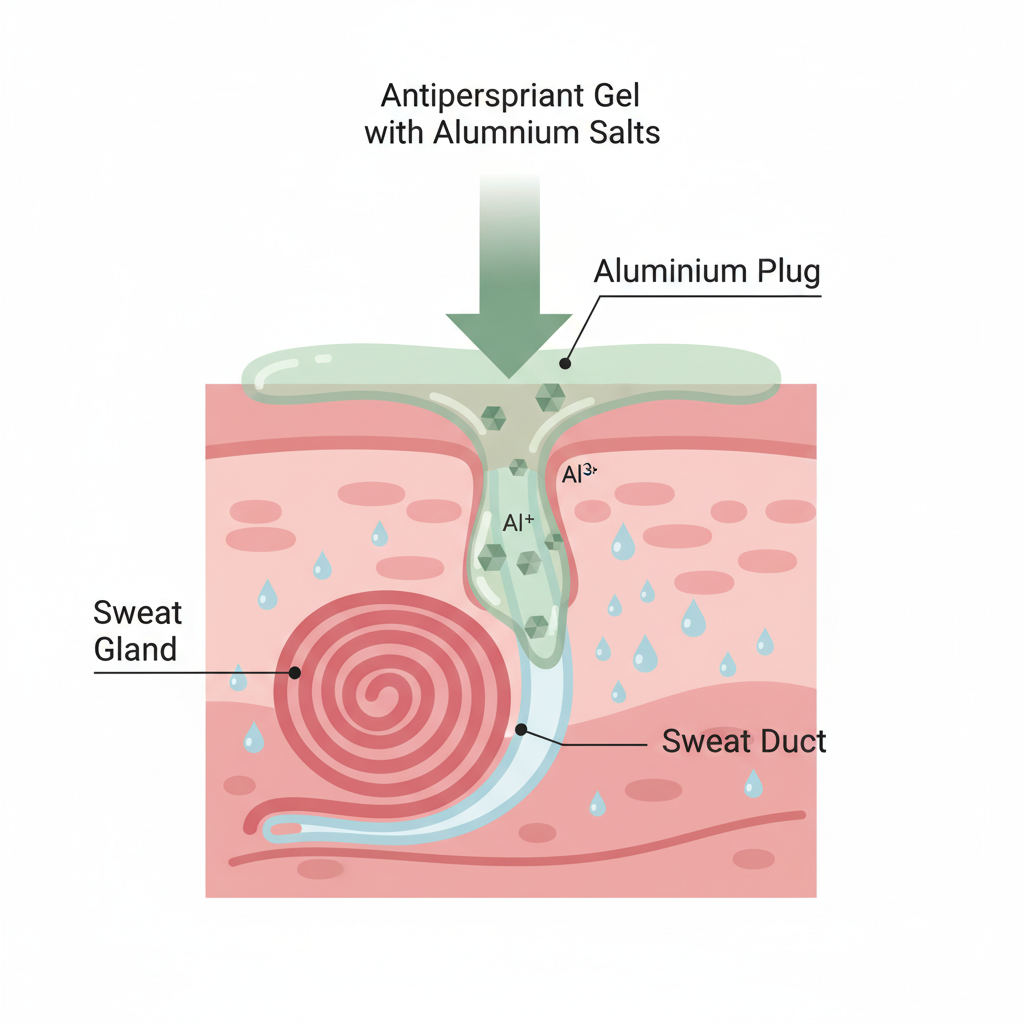
When you apply antiperspirant, the aluminium compounds (typically aluminium chloride, aluminium chlorohydrate, or aluminium zirconium) dissolve in the moisture on your skin. This creates a gel-like substance that forms temporary plugs in your sweat ducts, physically blocking sweat from reaching the surface.
This mechanism is remarkably effective—antiperspirants can reduce sweating by 20-50% depending on the formula and individual response.
The Concerns: Why People Are Worried
Several health concerns have fueled the move away from aluminium, though the scientific evidence remains mixed.
Breast Cancer Links
The most widely discussed concern is a potential connection between aluminium-based antiperspirants and breast cancer. The theory suggests that:
- Aluminium compounds are absorbed through the skin
- They accumulate in breast tissue
- They may have oestrogen-like effects that could promote cancer cell growth
The evidence: Some studies have found aluminium in breast tissue samples, and a few have suggested correlations between antiperspirant use and breast cancer. However, major health organisations including Cancer Research UK, the American Cancer Society, and the National Cancer Institute have concluded there’s no proven causal link between antiperspirant use and breast cancer.
Alzheimer’s Disease
Another concern arose from studies in the 1960s that found elevated aluminium levels in the brains of Alzheimer’s patients, leading to speculation that aluminium exposure might contribute to the disease.
The evidence: Subsequent research has not supported this connection. The Alzheimer’s Society states that the link between aluminium and Alzheimer’s disease is not proven and is not considered a significant risk factor by most experts.
Skin Irritation
This concern is less debated and more immediately observable. Aluminium compounds can cause:
- Contact dermatitis in sensitive individuals
- Irritation on freshly shaved skin
- Yellow staining on white clothing (aluminium reacts with sweat proteins)
The evidence: Skin irritation from aluminium is well-documented, affecting an estimated 0.5-1% of the population with allergic reactions, and a larger percentage with general sensitivity.
Kidney Concerns
The FDA requires antiperspirants to carry a warning for people with kidney disease, as compromised kidneys may not efficiently eliminate aluminium from the body.
The evidence: This is a legitimate concern for those with kidney problems, though healthy kidneys process aluminium without issue.
The Precautionary Principle
Here’s where it gets personal. While major health organisations haven’t found conclusive evidence of serious harm, many people choose to avoid aluminium based on the precautionary principle—the idea that if something might be harmful and alternatives exist, why take the risk?
This isn’t irrational. We’re talking about a product applied to thin, sensitive skin near lymph nodes and breast tissue, often on freshly shaved skin that’s more permeable. Even without proven harm, preferring simpler, more natural ingredients makes sense to many.
Who’s Making the Switch?
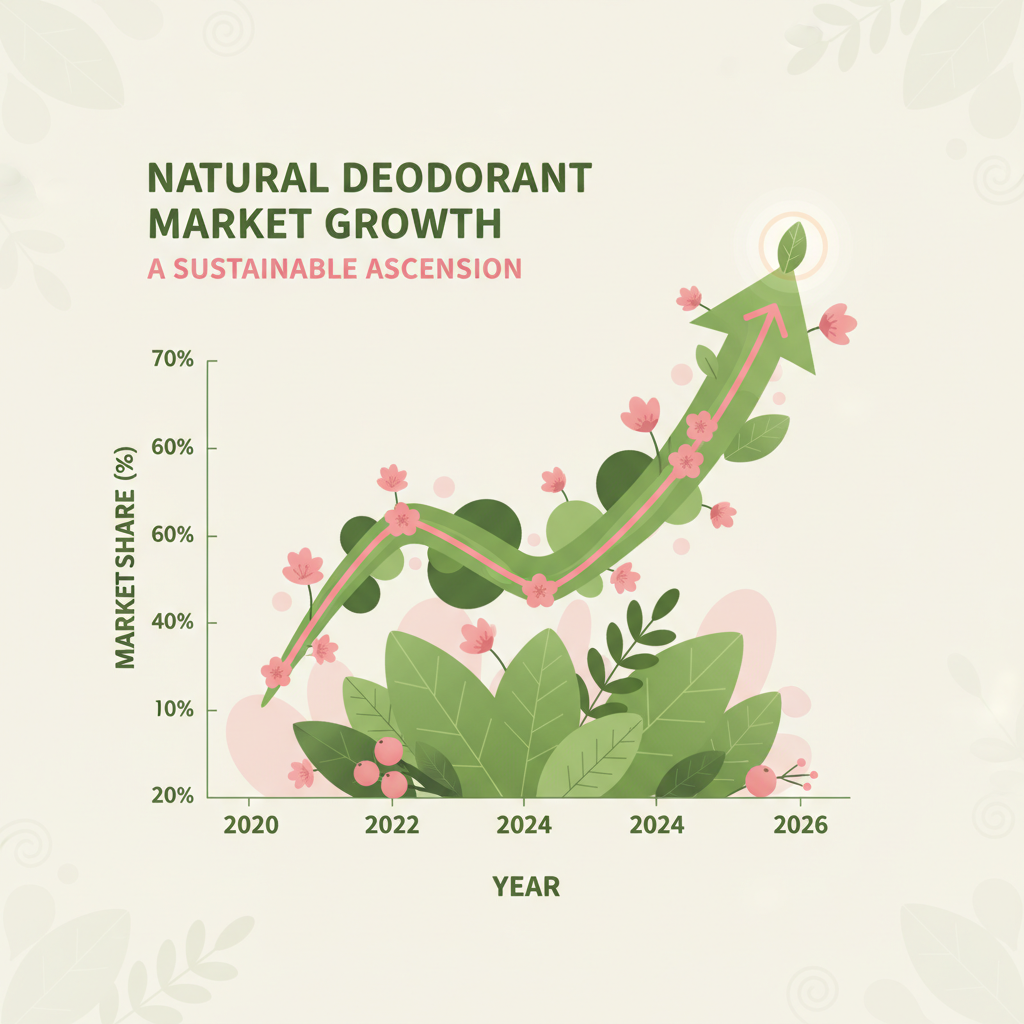
The numbers tell a compelling story. The global natural deodorant market is projected to reach $3.3 billion by 2027, up from $1.3 billion in 2019. This growth isn’t just marketing—it reflects genuine consumer demand for aluminium-free options.
Benefits of Going Aluminium-Free
Beyond avoiding potential concerns, there are positive reasons to make the switch.
Letting Your Body Function Naturally
Sweating is a healthy, necessary bodily function. It regulates temperature, releases certain waste products, and supports skin health. Blocking sweat glands interferes with this natural process.
Healthier Underarm Skin
Many people report improved underarm skin health after switching—less irritation, fewer ingrown hairs, and reduced darkening of the skin.
No More Yellow Stains
That frustrating yellow discolouration on white shirts? It’s not your sweat—it’s aluminium reacting with proteins in your sweat. Aluminium-free products eliminate this problem entirely.
Environmental Considerations
Aluminium mining has significant environmental impacts. While the amount in antiperspirants is small, choosing alternatives reduces demand for this resource-intensive metal.
Peace of Mind
For many, the simple knowledge that they’re not applying potentially concerning chemicals to their skin daily provides genuine psychological benefit.
The Transition: What to Expect
Switching from antiperspirant to natural deodorant isn’t always seamless. Your body needs time to adjust.
The Adjustment Period
When you stop blocking your sweat glands after years (or decades) of antiperspirant use:
Week 1-2: You may sweat more and smell stronger than usual. Your sweat glands are “waking up,” and your underarm microbiome is rebalancing.
Week 2-3: Sweating typically begins to normalise. Body odour may still be stronger than expected.
Week 3-4: Most people find their natural deodorant working effectively. The adjustment is complete.
Tips for a Successful Switch
- Start at the right time — Don’t begin before a big presentation or important event
- Give it 3-4 weeks — Many people give up during week two, right before things improve
- Stay hydrated — Proper hydration helps regulate body chemistry
- Wear breathable fabrics — Natural fibres help manage moisture during transition
- Keep deodorant handy — Reapply midday if needed during the adjustment period
How Aluminium-Free Deodorants Work
Without aluminium to block sweat, natural deodorants use different strategies to keep you fresh.
Odour Neutralisation
Baking soda creates an alkaline environment hostile to odour-causing bacteria (though it can irritate sensitive skin)
Magnesium hydroxide neutralises odour-causing acids with a gentler pH
Zinc compounds have antibacterial properties and neutralise odour molecules
Moisture Absorption
Arrowroot powder and tapioca starch absorb moisture to keep you feeling dry
Kaolin clay provides additional absorption
Bacterial Control
Coconut oil contains lauric acid with natural antibacterial properties
Essential oils like tea tree and eucalyptus have antimicrobial effects
Finding Your Perfect Match
Not all aluminium-free deodorants work for everyone. Body chemistry varies, and what works brilliantly for one person may not suit another.
If You Have Sensitive Skin
Look for baking soda-free formulas that use magnesium hydroxide instead. Brands like Wild, Native, and Schmidt’s offer dedicated sensitive skin lines.
If You Sweat Heavily
Understand that natural deodorant controls odour, not sweat. You may sweat more visibly than with antiperspirant. Consider:
- Sport or extra-strength natural formulas
- Sweat-wicking undershirts for important occasions
- Using antiperspirant selectively for high-stakes situations
The Hybrid Approach
There’s no rule requiring exclusive use of one type. Many people use:
- Natural deodorant for everyday life
- Antiperspirant for important presentations, interviews, or events
This reduces overall aluminium exposure while ensuring confidence when it matters most.
The Bottom Line
The decision to ditch aluminium is personal. The scientific evidence doesn’t conclusively prove harm from antiperspirant use, but it also can’t guarantee complete safety. What we do know:
Reasons to consider switching:
- Skin irritation or sensitivity to aluminium
- Preference for simpler, more natural ingredients
- Following the precautionary principle
- Environmental considerations
- Allowing your body to sweat naturally
Reasons aluminium-free might not suit you:
- You need clinical-strength sweat reduction
- Visible wetness significantly impacts your confidence
- You’ve tried multiple natural options without success
The good news? The natural deodorant market has matured significantly. Today’s formulas are more effective than ever, with options for every skin type, scent preference, and lifestyle. Making the switch no longer means sacrificing effectiveness.
Whatever you choose, make it an informed decision based on your own research, body, and values—not fear-based marketing or unfounded health claims. Your underarms, your choice.
Ready to explore aluminium-free options? Browse our product reviews or take our Find Your Perfect Deodorant quiz for personalised recommendations.